
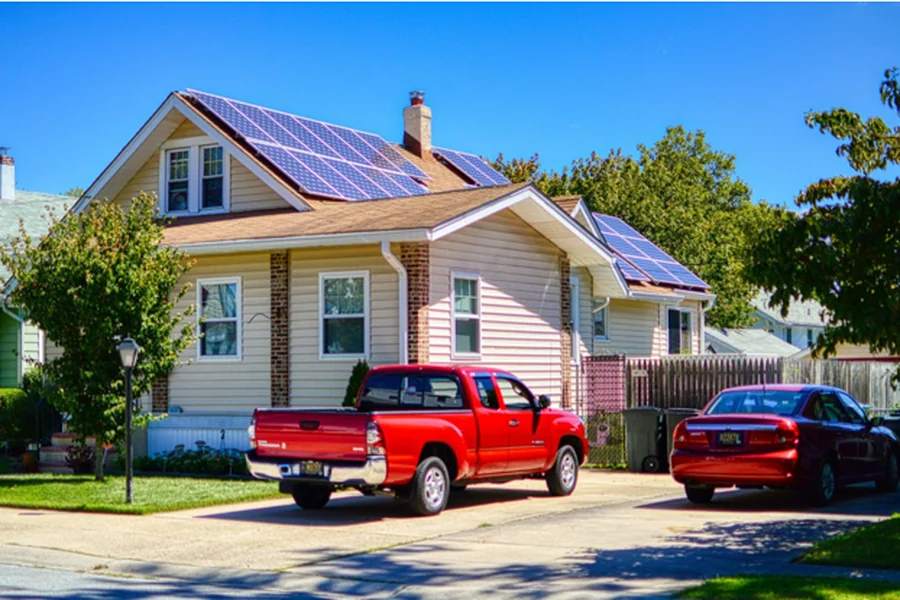
Home renovations offer an opportunity to improve more than appearance and functionality. While homeowners often focus on updated kitchens, modern bathrooms, and attractive interiors, the renovation process also provides an ideal time to reconsider how a property consumes energy. Improvements to heating, insulation, electricity generation, and lighting can influence household operating costs for years after the work is completed.
Energy efficiency has become an increasingly important consideration as homeowners look for ways to manage utility expenses while creating more comfortable living environments. Modern technologies and improved building materials offer numerous possibilities, from relatively simple upgrades to substantial changes involving the home’s electrical and heating systems.
The most successful renovation plans consider these improvements before construction begins. Coordinating energy-related upgrades with other building work can reduce unnecessary disruption and help homeowners make better use of their renovation budgets. Understanding which improvements deserve priority is an important first step toward creating a more efficient home.
Solar Power Can Become Part of a Broader Renovation Strategy
Major renovations provide a valuable opportunity to evaluate whether a home is suitable for solar energy. Roof replacements, electrical upgrades, and changes to outdoor structures can all influence how easily a solar installation can be incorporated into a property.
Rather than treating solar equipment as an unrelated addition, homeowners can consider electricity generation during the early planning stages. Roof orientation, available sunlight, electrical capacity, and expected household consumption are among the factors that influence system design.
Homeowners exploring solar equipment can begin by reviewing the products available through https://thesolarstore.com/, which offers solar panels, batteries, inverters, and related components for different energy applications. Understanding how these products work together can help property owners become more familiar with the equipment involved in residential solar installations.
Battery storage is another consideration for households interested in managing electricity generated during daylight hours. Depending on the system configuration and local electricity arrangements, stored energy may provide additional flexibility in how solar power is used.
Planning these features alongside other renovations allows homeowners to coordinate installation requirements, electrical improvements, and long-term energy objectives more effectively.
Improving Insulation Can Make Existing Heating Systems More Effective
Insulation is among the most practical improvements homeowners can consider when renovating older properties. Inadequate insulation allows unwanted heat transfer through walls, ceilings, and other building components, making it more difficult to maintain comfortable indoor temperatures.
During colder months, poorly insulated homes may lose heat more quickly, increasing the demand placed on heating equipment. During summer, unwanted heat entering the building can create additional cooling requirements.
Attic insulation is often an important area to examine because significant heat transfer can occur through the upper parts of a building. Wall insulation and improvements around floors may also be valuable, depending on the property’s construction.
Renovation work provides convenient access to areas that might otherwise be difficult to modify. Homeowners replacing interior finishes or completing structural changes can evaluate insulation requirements before surfaces are closed again.
A well-insulated home can maintain more consistent temperatures while allowing heating and cooling equipment to operate more efficiently.
Modern Windows and Doors Help Reduce Unwanted Heat Transfer
Windows and exterior doors influence both household comfort and energy performance. Older frames, damaged seals, and poorly insulated glazing can contribute to drafts and unwanted temperature changes throughout the year.
Replacing windows during renovation offers opportunities to improve thermal performance while updating the appearance of a property. Modern glazing systems may include multiple panes, insulating gas fills, and coatings designed to manage heat transfer.
Frame materials and installation quality also influence performance. Even efficient windows can provide disappointing results if gaps around the frames allow uncontrolled airflow.
Exterior doors deserve similar attention, particularly when existing units have deteriorating weather seals or poorly fitted frames.
Homeowners should evaluate replacement options according to local climate conditions, building characteristics, and available budgets. Improving existing seals may also be worthwhile when complete replacement is unnecessary.
Coordinating window and door improvements with insulation upgrades can support a more consistent approach to household energy efficiency.
Heating and Cooling Upgrades Deserve Careful Planning
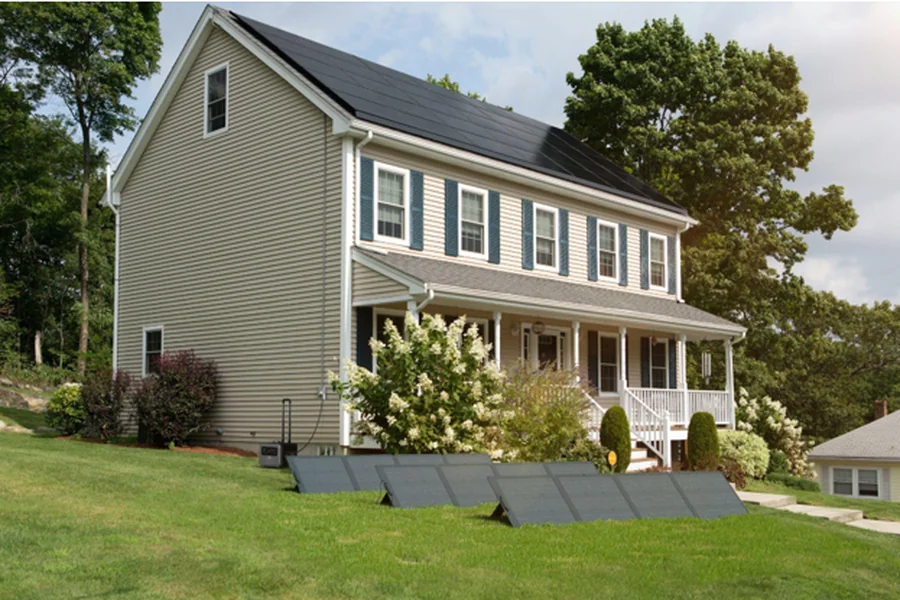
Heating and cooling equipment often represents a significant part of household energy consumption. Renovations provide an opportunity to assess whether existing systems remain suitable for the property’s size, layout, and insulation levels.
Modern heat pumps have attracted considerable interest because they transfer heat rather than generating it through conventional electric resistance heating. Depending on climate and system design, they can provide efficient heating and cooling through a single installation.
High-efficiency furnaces, modern air-conditioning systems, and improved temperature controls may also offer advantages for particular properties.
However, choosing equipment based exclusively on its advertised efficiency can lead to disappointing results. Appropriate system sizing, installation quality, and the home’s overall energy performance are equally important.
Improving insulation and reducing air leakage before selecting new equipment may influence the heating or cooling capacity required.
A coordinated approach helps homeowners avoid installing systems that are unnecessarily large or unsuitable for their renovated living spaces.
Smart Controls Make Household Energy Use Easier to Manage
Home automation is becoming a useful part of residential energy planning. Smart thermostats, connected lighting, and energy monitoring devices provide homeowners with additional information about when and how electricity is consumed.
Programmable temperature controls can adjust heating and cooling according to household schedules. Some connected thermostats also offer remote management, allowing residents to modify settings when their plans change.
Smart lighting introduces similar convenience through timers, motion sensors, and automated routines. These features can reduce unnecessary operation in spaces that are not continuously occupied.
Energy monitoring systems provide another layer of information by showing consumption patterns across different periods. Homeowners can use these insights to recognize unusually high energy use and evaluate whether changes to equipment or daily habits would be beneficial.
The greatest advantage comes from selecting compatible devices that work together through a manageable system rather than introducing numerous disconnected applications.
LED Lighting and Efficient Appliances Offer Practical Improvements
Not every energy upgrade requires major construction work. Replacing outdated lighting and selecting efficient household appliances can provide useful improvements during smaller renovation projects.
LED lighting generally consumes less electricity than traditional incandescent bulbs while offering a wide range of brightness levels and color temperatures. This makes it suitable for kitchens, living rooms, bedrooms, and outdoor areas.
Renovations also provide opportunities to reconsider lighting placement. A combination of ambient, task, and accent lighting can create comfortable interiors without depending on unnecessarily powerful fixtures.
When replacing kitchen or laundry equipment, homeowners can compare appliance efficiency alongside capacity, reliability, and everyday functionality.
Refrigerators, dishwashers, and washing machines have different operating characteristics, making it useful to consider expected usage rather than purchase price alone.
Choosing suitable equipment helps ensure that energy improvements complement practical household requirements.
Prioritize Renovation Investments According to Long-Term Value
Energy-efficient renovation projects vary considerably in cost, complexity, and potential financial benefits. A minor lighting upgrade requires a different budget from replacing a heating system or installing residential solar equipment.
Homeowners should begin by identifying the areas responsible for unnecessary energy consumption. Utility records, professional energy assessments, and inspections of existing building systems can provide useful information.
The condition of the property also influences priorities. Improving insulation may be more valuable than introducing additional technology when uncontrolled heat loss remains a major concern.
Renovation plans should consider installation expenses, maintenance requirements, equipment lifespan, and potential changes to operating costs.
Where available, local incentives or financing programs may also influence the affordability of particular improvements.
Ultimately, the most effective home energy upgrades are those that address genuine household needs while supporting long-term comfort and efficiency. Solar equipment, improved insulation, modern heating systems, efficient appliances, and intelligent controls can all contribute to a more capable residential environment.
By evaluating these opportunities before renovation work begins, homeowners can make coordinated decisions that improve everyday living while preparing their properties for future energy requirements.