
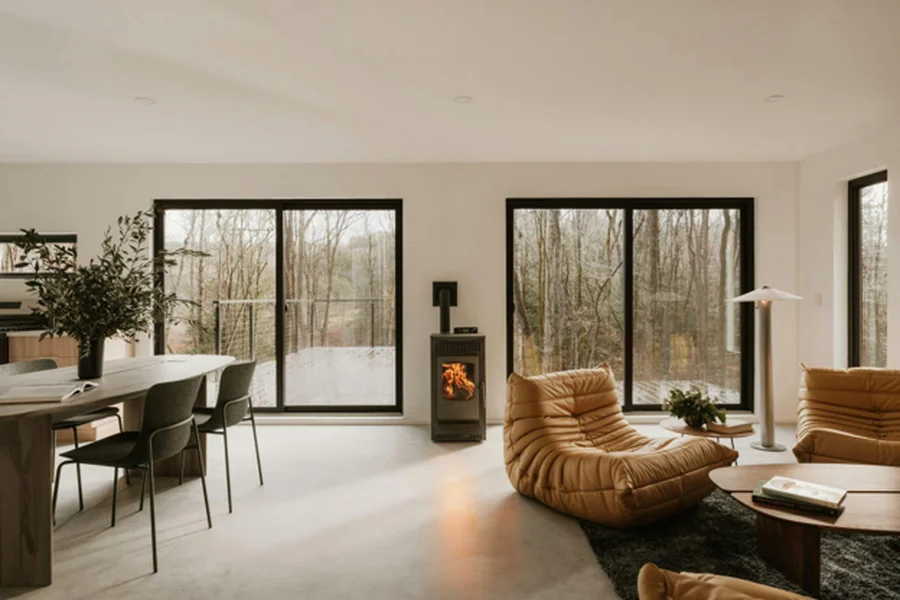
Modern homes are becoming more connected, adaptable, and responsive to the people living in them. Technology that once seemed reserved for luxury properties is now appearing in ordinary households, from intelligent lighting and automated temperature controls to advanced security systems and connected appliances.
These developments are changing more than household convenience. Homeowners can monitor energy consumption, manage everyday responsibilities, and create spaces that accommodate remote work, entertainment, and personal interests. Many modern devices also communicate with one another, allowing different functions to operate through shared platforms.
However, the most valuable home technology isn’t necessarily the newest or most expensive. It is the technology that solves everyday problems and improves how a household functions. Understanding emerging trends can help homeowners select meaningful upgrades, avoid unnecessary complexity, and develop living spaces that remain comfortable and practical as their needs change.
Home Workstations Are Becoming More Intelligent and Versatile
The growing popularity of remote work and home-based activities has encouraged homeowners to invest in more capable computer setups. Adjustable desks, multiple monitors, ergonomic accessories, and reliable internet connections are transforming spare bedrooms and living room corners into productive workspaces.
These environments increasingly accommodate responsibilities beyond traditional office work. Homeowners may use sophisticated software for creative projects, business management, financial research, or personal investment analysis.
For individuals interested in exploring financial markets, https://www.vectorvest.com/ provides stock analysis and investment research tools that can become part of a dedicated home workstation. Combining financial research applications with suitable displays and organized digital resources allows users to create a convenient environment for studying company performance and market information.
A modern workstation can also support online learning, video production, and other demanding activities without requiring separate equipment for each purpose.
This versatility makes computing infrastructure one of the most practical areas for thoughtful home technology investment.
Smart Energy Systems Are Changing Household Electricity Management
Energy technology is attracting increasing attention as homeowners look for greater control over electricity consumption and operating expenses.
Smart meters, connected thermostats, and energy monitoring applications can provide detailed information about how electricity is used throughout the home. Some systems identify consumption patterns, allowing residents to recognize appliances or routines associated with higher energy demand.
Solar panels and residential battery systems offer additional possibilities for households interested in generating and storing electricity.
Smart energy management platforms can coordinate selected devices according to schedules, electricity prices, or available solar generation.
These technologies are particularly appealing when combined with efficient lighting, modern insulation, and well-maintained heating and cooling equipment.
Rather than operating independently, connected energy systems can help homeowners manage consumption through a more coordinated approach.
Artificial Intelligence Is Making Smart Homes More Responsive

Artificial intelligence is expanding the capabilities of home automation beyond simple schedules and voice commands. Connected devices can increasingly recognize usage patterns and offer adjustments based on household preferences.
Smart thermostats, for example, may learn familiar occupancy patterns and adjust heating or cooling settings. Intelligent lighting systems can respond to different activities, while compatible voice assistants simplify control over several household devices.
AI-powered home management also supports more convenient everyday routines. Residents can create automated sequences that coordinate lighting, temperature, and selected appliances when leaving or returning home.
The growing adoption of shared smart home standards is another important development. Better compatibility between devices from different manufacturers makes it easier to develop connected environments without depending entirely on one company’s products.
As these capabilities improve, homeowners can focus on choosing automation that genuinely supports their routines rather than managing numerous disconnected applications.
Modern Security Technology Offers Greater Peace of Mind
Home security has become more accessible through connected cameras, smart locks, video doorbells, and digital monitoring systems. These devices provide homeowners with greater visibility over entrances and selected areas of their properties.
Video doorbells allow residents to communicate with visitors remotely, while smart locks can support temporary access arrangements for trusted guests or service providers.
Motion detection and automated notifications provide additional ways to monitor unusual activity. Some camera systems also use intelligent recognition features to distinguish between people, vehicles, and other movement.
The greatest convenience comes from connecting security features to familiar household routines. For example, locking doors and activating selected monitoring functions can become part of an automated evening sequence.
When evaluating these systems, homeowners should consider installation requirements, ongoing subscriptions, and privacy settings alongside convenience.
A thoughtfully configured security system can make everyday access management simpler while supporting a greater sense of control over the property.
Connected Appliances Are Simplifying Household Responsibilities
Kitchen and laundry appliances are becoming increasingly sophisticated as manufacturers introduce digital controls, automated programs, and remote monitoring features.
Smart washing machines can provide notifications when cycles finish, while connected ovens may offer guided cooking settings and convenient temperature management.
Robotic vacuum cleaners have also developed significantly, with advanced navigation systems allowing many models to map rooms, avoid selected obstacles, and follow scheduled cleaning routines.
In the kitchen, connected refrigerators and other appliances can contribute to more organized household management through reminders and accessible operating information.
These developments are especially useful in busy households where several responsibilities compete for attention.
However, successful appliance upgrades should begin with practical requirements. Capacity, durability, energy consumption, and ease of maintenance remain important considerations alongside connectivity.
Choosing devices that combine reliable everyday performance with useful digital features helps ensure that technology remains a convenience rather than an additional responsibility.
Flexible Technology Will Define the Homes of the Future
The most important direction in modern home technology is the movement toward flexible systems that adapt to individual lifestyles. A household with young children may prioritize security and convenience, while remote professionals might focus on connectivity and adaptable workspaces.
Modular devices and compatible smart home platforms allow residents to introduce improvements gradually. This approach makes it possible to expand a system without replacing every existing component.
Long-term planning also matters. Homeowners should consider software support, compatibility, maintenance requirements, and whether a particular feature will remain useful as household circumstances change.
The most successful upgrades combine modern capabilities with familiar comforts. A well-designed home still depends on practical room layouts, dependable equipment, pleasant surroundings, and sufficient space for everyday activities.
Ultimately, technology is transforming modern homes by giving residents greater control over how their living environments function. Intelligent energy systems, AI-powered automation, connected security, and adaptable workstations all offer opportunities to improve daily life.
As these technologies develop, homeowners who prioritize practical value and thoughtful integration can create living spaces that feel more convenient, efficient, and responsive to their individual needs.