
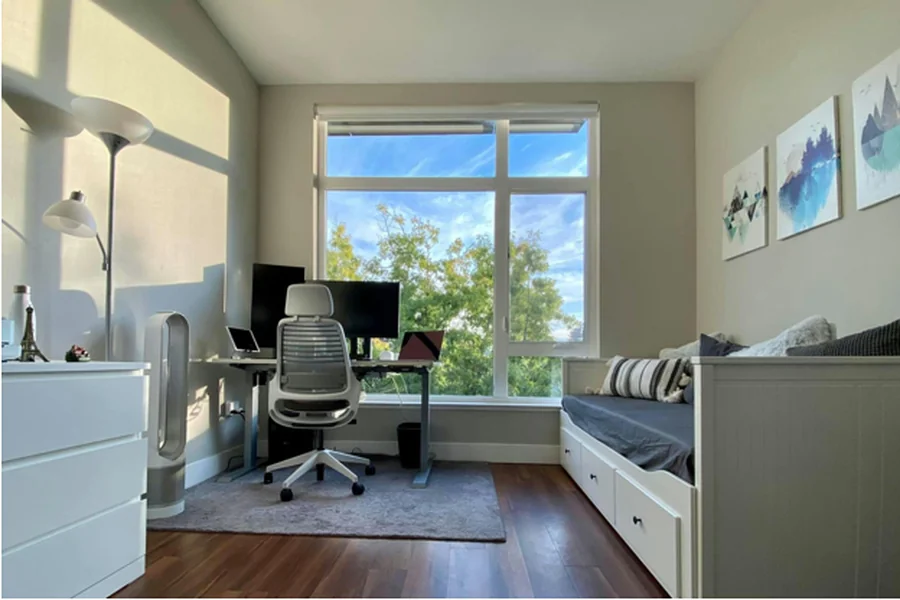
A cluttered home office can make even simple tasks feel harder. Papers pile up, drawers fill with cables and old supplies, and eventually the quickest solution starts to look like throwing everything into a bag and clearing the room in one afternoon.
That may create instant visual relief, but it can also mean getting rid of useful items, valuable supplies, or things that could be sold, donated, recycled, or repurposed. A better home-office clear-out is not about keeping everything. It is about deciding what deserves to stay, what can still be useful elsewhere, and what genuinely needs to go.
Separate Valuable Surplus From Actual Rubbish
Start by dividing everything into categories before you begin filling trash bags. Unopened office supplies, working electronics, spare furniture, cables, stationery, and printer cartridges should not automatically be treated the same way as broken equipment or outdated paperwork.
Unused toner is a good example. If you have unopened cartridges for a printer you no longer own, www.selltoner.com can provide a practical route for dealing with surplus toner rather than simply throwing it away.
The same approach works with other office items. A monitor you no longer need may still be useful to someone else. Extra notebooks can be donated. A desk lamp may belong in another room rather than in the trash.
Decluttering becomes much easier when the decision is not simply “keep or throw away.” Adding sell, donate, recycle, and relocate gives useful items somewhere sensible to go.
Be More Ruthless With Paper Than With Equipment
Paper is often the biggest visual problem in a home office because it spreads quickly and takes up more space than expected.
Begin with obvious waste: duplicate printouts, outdated notes, old packaging, expired promotional material, and documents you can easily access digitally. Then deal more carefully with contracts, tax records, warranties, identification documents, and anything containing personal information.
Create a simple filing system for the papers that genuinely need to remain. You probably do not need a complicated cabinet with dozens of categories. A small number of clearly labeled folders is often enough.
Sensitive documents that are no longer needed should be shredded rather than placed directly in household waste.
Once the paper is under control, the room will usually feel dramatically less cluttered even before you touch the furniture.
Stop Keeping Technology “Just in Case”
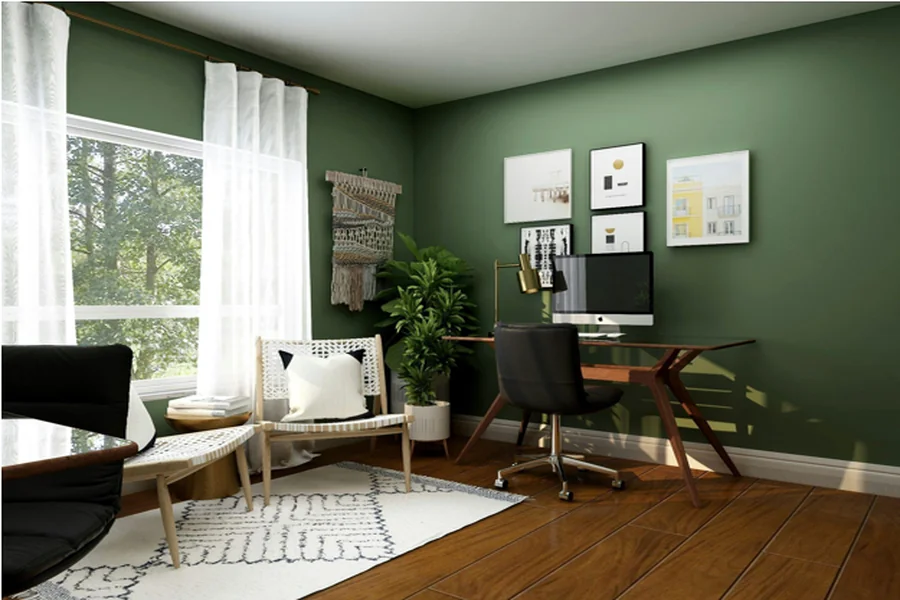
Home offices have a way of becoming storage rooms for obsolete technology.
Old keyboards, routers, chargers, external drives, phones, headphones, and mysterious cables often remain because there is a tiny chance they might become useful again.
Give every item a realistic test. Do you know what it belongs to? Have you used it in the last year? Does the device it supports still exist in your home?
If the answer is no, keeping it for another five years is unlikely to change anything.
Working electronics may be worth selling or donating. Broken equipment should be recycled through an appropriate electronics program rather than mixed into regular household waste.
Keep a small box for spare cables and accessories you actually recognize and use. The goal is not to eliminate backups entirely, but to stop treating every outdated adapter as future treasure.
Keep What Supports the Way You Work Now
One reason home offices become cluttered is that they contain equipment for jobs, hobbies, or routines that no longer exist.
You may still have binders from a previous role, supplies from a side project you stopped years ago, or storage systems designed for a working style you no longer use.
Ask whether each item supports what you actually do today.
If most of your work is digital, several shelves of empty folders may no longer deserve office space. If you rarely print, you probably do not need a large cabinet dedicated to paper and printing accessories.
At the same time, do not remove useful tools simply because they make the room look less minimalist. If a notebook, second monitor, reference book, or filing tray genuinely helps you work, it has earned its place.
A functional office is more important than an empty-looking one.
Give Everything You Keep a Specific Home
Decluttering does not last when the remaining items have nowhere to go.
Frequently used objects should be easy to reach. Pens, notebooks, chargers, headphones, and other daily tools should have dedicated drawers, trays, or containers close to the desk.
Items used occasionally can move to shelves or closed storage. Things you need only a few times a year can go farther away.
Avoid buying organizers before you know exactly what you are keeping. Storage products can become another form of clutter if they are purchased simply because they look useful.
Clear the room first, measure the available space, and then buy only the storage you actually need.
A good system should make putting something away almost as easy as leaving it on the desk.
Don’t Let the Clear-Out Create a New Pile Somewhere Else
Moving clutter from the office into a garage, spare bedroom, or hallway is not really decluttering.
Give yourself a deadline for everything leaving the room. Items for sale should be listed promptly. Donations should go into the car or near the door for the next trip. Recycling should be taken to the appropriate collection point.
If something sits in a “deal with later” box for months, the clutter has simply changed location.
This is also why keeping too many uncertain items can slow the process. Create a small temporary box if you genuinely cannot decide, but review it after a few weeks. If you never needed anything inside, the decision often becomes much easier.
The objective is not to create a perfectly empty office overnight. It is to make the space easier to use without wasting things that still have value.
Sort first, dispose thoughtfully, and keep only what supports the work you actually do. A home office feels much better when it is clear because unnecessary things found the right destination, not because everything was thrown away.