
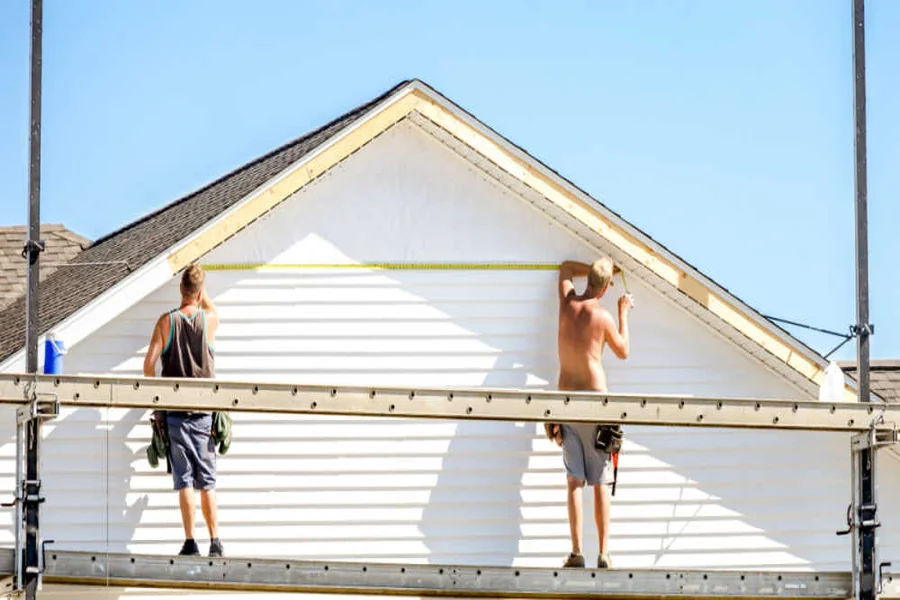
A siding project should never start with guesswork. Before choosing materials, colors, finishes, or contractors, homeowners need to understand the size of the exterior area they are working with.
Good measurements help you plan better. They can reduce waste, improve budgeting, and make conversations with contractors more accurate. Whether you are replacing damaged siding, updating curb appeal, or preparing the exterior for better protection, measuring the home is one of the most important first steps.
Siding affects more than appearance. It helps protect the home from weather, moisture, wind, sun, and daily wear. If the siding is old, cracked, warped, or poorly installed, the home can look tired and become more exposed to damage over time.
For homeowners who want professional help with this type of exterior project, working with a Siding Contractor in Petaluma can make the planning process easier and help ensure the work is handled correctly.
Start With the Exterior Walls
The first step is to measure each exterior wall.
Measure the width and height of every wall section. Then multiply width by height to get the square footage. For example, if one wall is 30 feet wide and 10 feet high, that wall is 300 square feet.
Do this for each side of the home. Add the numbers together to estimate the total wall area.
This does not need to be perfect at the early planning stage, but it should be close enough to give you a realistic idea of the project size.
Subtract Large Openings
After measuring the walls, subtract large areas that will not need siding. This usually includes windows, doors, garage doors, and large openings.
For a simple estimate, measure the width and height of each opening, then multiply those numbers to get the square footage. Subtract that from the total wall area.
For example, if a window is 4 feet wide and 5 feet high, it equals 20 square feet. If the home has several large windows, this can make a noticeable difference in material estimates.
Smaller openings may not change the estimate much, but large doors and windows should always be counted.
Remember That Homes Are Not Always Perfect Squares
Many homes have more than four simple walls. Some have gables, bump-outs, bay windows, dormers, porches, garage sections, or second-story areas.
These details can make measuring harder.
For triangular gable areas, measure the width and height, multiply them, then divide by two. For small wall sections, measure each area separately and add them to the total.
It may take more time, but breaking the home into simple shapes makes the process easier.
Add Extra Material for Waste
No siding estimate should use the exact wall measurement only. Projects usually need extra material for cutting, fitting, mistakes, corners, trim, and design details.
This is called waste allowance.
The amount can depend on the siding type, the home’s shape, and how many cuts are needed. A simple rectangular home may need less extra material than a home with many angles and details.
Adding extra material helps prevent delays. Running short during installation can create problems, especially if the exact material or color is hard to match later.
Measure Trim and Corners Separately
Siding is not the only part of an exterior project. Trim, corners, soffits, fascia, window borders, and door frames can also affect the final result.
These details are important because they help the exterior look complete. New siding with old or damaged trim may not deliver the clean look homeowners expect.
Measure trim areas separately when possible. Also check whether any trim is cracked, loose, rotting, or poorly sealed.
Think About Paint, Primer, and Coatings
Some siding materials may need painting, staining, sealing, or coating. This is where liquid measurements become useful.
Paint and coatings are often sold by the gallon in the United States. In many other countries, liquids are measured in liters. If you are comparing product labels, prices, or coverage between systems, understanding gallons and liters can help you avoid confusion.
This matters when estimating how much paint or primer is needed for siding, trim, doors, or other exterior surfaces. Buying too little can delay the project. Buying too much can waste money.
Always check the coverage rate on the product label. Coverage can change based on the surface, material, texture, and whether one or two coats are needed.
Check the Condition Before Measuring Only for Materials
Measurements tell you how much area needs work, but they do not tell the full story.
Before starting a siding project, inspect the condition of the exterior. Look for cracks, warping, moisture stains, soft spots, gaps, loose panels, mold, peeling paint, or signs of pests.
If damage exists behind the siding, the project may need more than surface replacement. Hidden problems can affect the budget and timeline.
This is why a professional inspection is useful before final decisions are made.
Consider Weather and Location
Siding has to handle local weather. Sun, rain, wind, humidity, and temperature changes can all affect material performance.
A home in a dry climate may have different needs from a home near the coast or in a region with heavy rain. Materials should be chosen based on both appearance and durability.
The right siding should protect the home, match the exterior style, and fit the homeowner’s maintenance preferences.
Use Measurements to Compare Estimates
Once you have basic measurements, contractor estimates become easier to understand.
If one estimate is much higher or lower than the others, you can ask better questions. Does it include all wall areas? Does it include trim? Does it include removal of old siding? Does it include waste material? Does it include painting or finishing?
Clear measurements help homeowners compare quotes more fairly.
This does not mean the lowest quote is always the best one. A cheaper estimate may leave out important details. A stronger estimate should explain the scope clearly.
Work With Professionals for Final Measurements
Homeowners can take early measurements for planning, but final measurements should be confirmed by a professional before ordering materials.
A contractor can check wall condition, structural details, trim needs, installation challenges, and material requirements. They can also identify hidden issues that a homeowner may miss.
For larger exterior upgrades, companies such as GVD Renovations can help homeowners plan siding and other renovation work with a more complete view of the property.
Better Measurements Lead to Better Projects
A siding project can improve curb appeal, protect the home, and make the exterior feel newer and better maintained. But the project should begin with clear measurements.
Measure each wall. Subtract large openings. Add extra material for waste. Check trim, corners, and condition. Think about paint or coating needs. Then use those numbers to plan the budget and compare professional estimates.
Good measurements do not replace skilled installation, but they help homeowners make smarter decisions. When the numbers are clear, the whole project becomes easier to plan, price, and complete.