
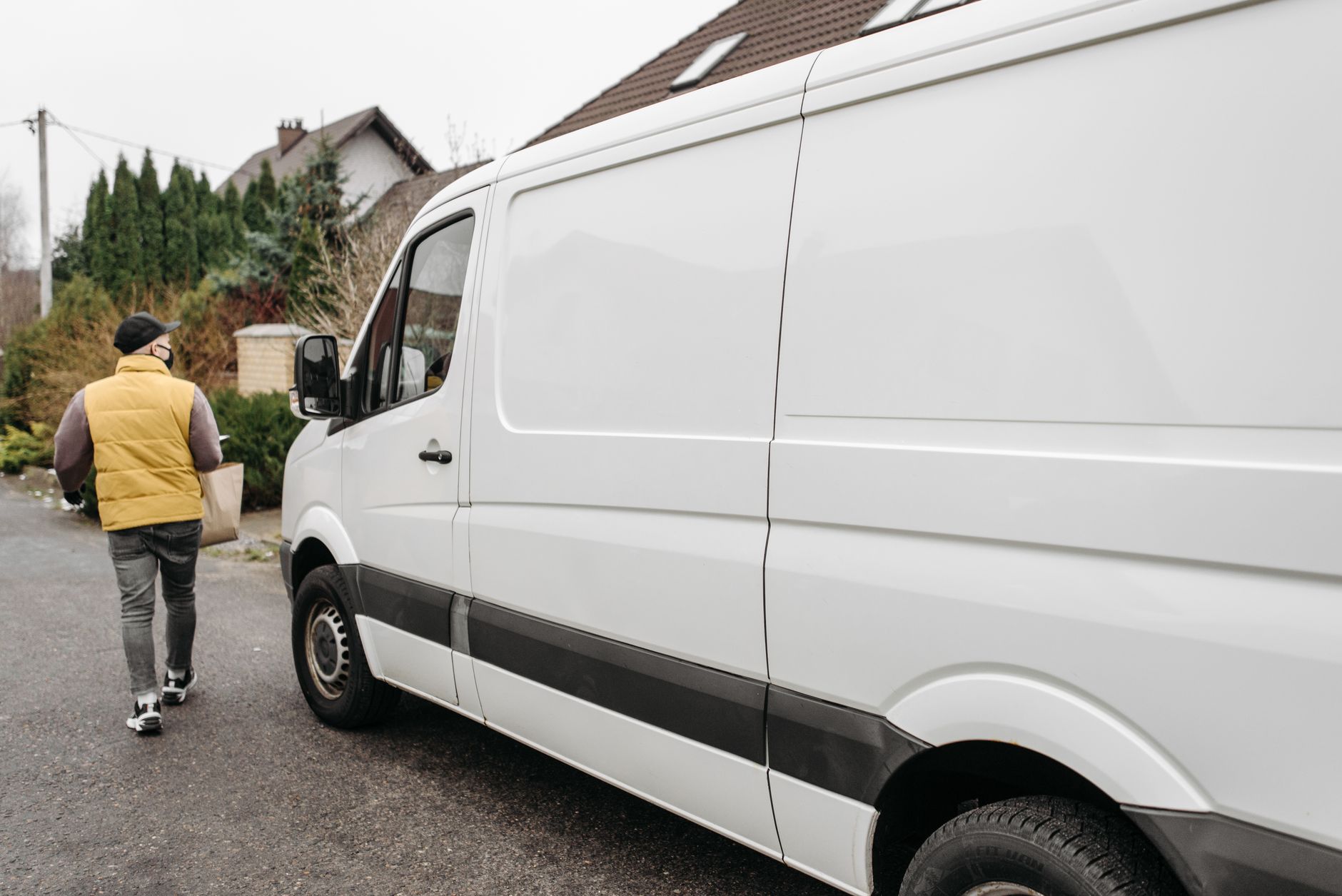
Local delivery businesses lose money in small, invisible ways. A driver waits three minutes at a gate. A route gets built in the order orders came in, not the order that makes sense on a map. A truck backtracks across town because two stops on opposite sides never got grouped.
None of these mistakes look big on their own. Stacked across a week, they add up to hours of paid driving time that delivered nothing.
Last mile delivery is where this shows up hardest. Between 2018 and 2023, last mile costs climbed from 41 percent to 53 percent of total shipping costs, according to FarEye’s research on route optimization. That’s not a small shift. It means the final leg of a delivery, the part closest to the customer, is now the most expensive part of the entire supply chain for most operations.
If you run local deliveries, whether it’s food, parcels, or service calls, this section of the business deserves more attention than it usually gets. Below are the changes that move the needle, starting with the one most businesses skip.
Start With a Real Route Plan, Not a Guess
Most small delivery operations still build routes by hand. A dispatcher looks at addresses, groups them by rough area, and hands the list to a driver. This works when you have five stops. It falls apart at twenty.
Manual routing can’t account for turn restrictions, one-way streets, delivery windows, or live traffic. It also can’t recalculate when a stop gets added mid-shift. A free route planner tool removes this guesswork. It sequences stops based on actual road data, not straight-line distance, and it updates the plan when conditions change.
The difference is measurable. A driver running an optimized route typically completes more stops per hour because the vehicle spends less time crossing back over ground it already covered.
Group Deliveries by Zone, Not by Order Time
Orders don’t arrive in an order that makes geographic sense. If you dispatch strictly by «first in, first out,» you end up sending drivers in zigzag patterns across the service area.
Zone-based dispatching fixes this. Break your delivery area into fixed zones. Assign drivers to zones, not to individual orders. Batch orders within a zone and release them together instead of one at a time.
This works especially well for businesses running the same routes daily, since the road layout inside each zone doesn’t change.
Cut Idle Time at Each Stop
Driving time isn’t the only cost. Time spent parked also counts against your route.
A few things drain minutes at every stop:
- Circling for parking near the delivery address
- Waiting for a customer or receptionist to answer
- Carrying items one trip at a time instead of consolidating
- Filling out paperwork manually instead of using a mobile app
Each of these costs two to five minutes. Multiply that by twenty stops a day and you’ve lost over an hour of driving capacity to standing still.
Address these individually. Give drivers pre-loaded delivery notes with parking instructions. Use proof-of-delivery apps instead of paper logs. Train drivers to load their vehicle in delivery order, so the right package is always closest to the door.
Match Vehicle Size to the Route
A van built for large freight is slow and hard to park in dense residential zones. A compact vehicle stuck on a long highway route burns more trips refueling. Vehicle mismatch is a routing problem, not just a fleet problem.
Map your delivery zones by density. Downtown or residential blocks need smaller, more maneuverable vehicles that can park quickly. Suburban and rural routes with longer distances between stops benefit from larger vehicles that can carry more per trip and reduce the number of return runs to the depot.
Use Delivery Windows to Reduce Failed Attempts
A failed delivery costs more than a successful one. The driver still burns fuel and time getting there, and now the stop has to be repeated.
Narrow delivery windows reduce this. Instead of an all-day window, offer customers a two-hour slot based on where their address falls in the route sequence. This cuts down on missed deliveries because customers are more likely to be present, and it lets you build a tighter, more predictable route for drivers.
Review Routes Weekly, Not Once a Year
Traffic patterns shift. New customers get added. Old stops drop off. A route plan built six months ago is not the same as the route your drivers should be running today.
Set a weekly check on route performance. Look at which stops consistently run late, which zones have grown, and where drivers are reporting recurring delays. Small adjustments made weekly prevent the kind of route drift that quietly adds miles and hours over a full quarter.
Faster local delivery isn’t about pushing drivers to move quicker. It’s about removing the friction built into how routes get planned in the first place. Fix the planning, and the speed follows.