
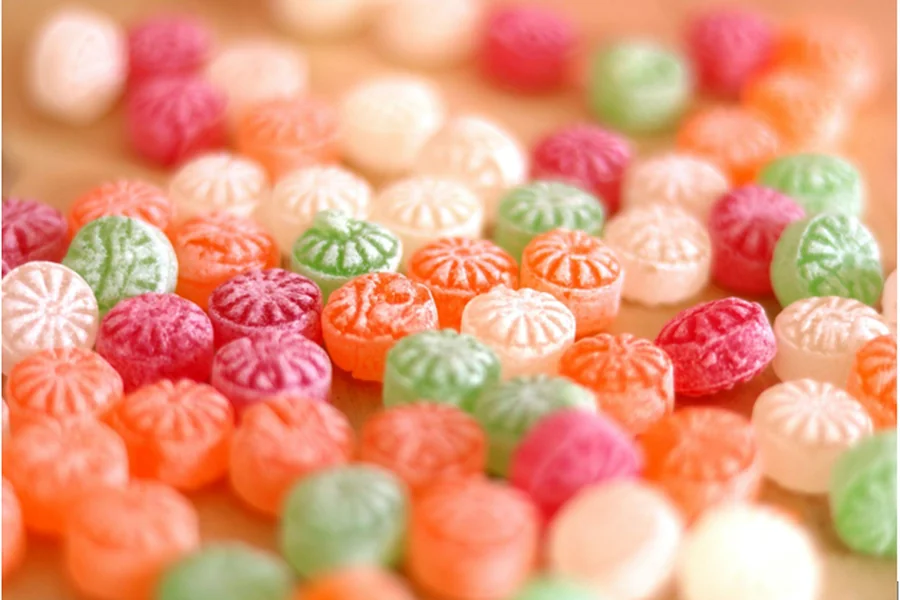
Food trends often focus on unexpected flavors, innovative ingredients, and elaborate creations, yet familiar sweets continue to hold a special place in everyday life. Traditional mints, hard candies, and other nostalgic treats are attracting renewed interest as consumers rediscover the appeal of simple pleasures and recognizable flavors.
For many people, classic confectionery brings back memories of childhood visits to neighborhood shops, family celebrations, or sweets shared between generations. These associations give traditional products an emotional quality that newer alternatives sometimes struggle to reproduce. At the same time, contemporary brands are introducing fresh interpretations of familiar favorites.
The renewed appreciation for traditional sweets reflects broader changes in consumer preferences, including interest in craftsmanship, distinctive packaging, and small everyday indulgences. Understanding the reasons behind this comeback reveals how classic confectionery continues to find a place in modern lifestyles.
Traditional Mints Are Finding a New Audience
Mints have remained popular for generations because of their refreshing flavors, convenient size, and association with everyday rituals. Whether enjoyed after a meal, carried in a handbag, or offered to guests, they provide a familiar form of confectionery that requires little preparation.
Modern consumers are rediscovering these qualities while exploring different mint varieties, from traditional peppermint and spearmint to botanical-inspired flavor combinations. The appeal often lies in balancing recognizable tastes with a sense of discovery.
Brands such as www.mrmoxeys.com demonstrate how the familiar mint format can be reimagined through contemporary product concepts and distinctive presentation. Mr. Moxey’s brings a modern identity to the category, illustrating how traditional confectionery formats can accommodate new ideas while retaining their recognizable appeal.
This combination of familiarity and innovation helps explain why mints remain relevant in a crowded sweets market. Consumers can enjoy a product connected to established traditions while discovering brands that approach confectionery from a different creative perspective.
Nostalgia Is Influencing Modern Sweet Preferences
Nostalgia plays an important role in the popularity of traditional confectionery. Flavors associated with childhood, family gatherings, and special occasions often carry memories that extend beyond the sweets themselves.
Hard candies, fruit drops, peppermint sticks, and classic toffees can remind consumers of older neighborhood shops and traditional celebrations. These associations make familiar products attractive even when countless alternatives are available.
Social media has also helped introduce nostalgic confectionery to younger audiences. Photographs of vintage packaging, traditional candy shops, and regional specialties encourage people to explore products they may never have encountered before.
For older consumers, rediscovering familiar sweets can provide a connection to personal history. Younger shoppers may appreciate the same products for their distinctive appearance and traditional manufacturing styles.
The result is an unusual combination of established loyalty and renewed curiosity, allowing classic confectionery to appeal across generations.
Simple Flavors Are Becoming Appealing Again
Modern confectionery shelves contain an enormous variety of elaborate flavor combinations. While experimentation remains popular, straightforward tastes such as peppermint, lemon, orange, and caramel continue attracting consumers who appreciate familiar experiences.
Traditional sweets often emphasize one recognizable flavor rather than several competing ingredients. This simplicity can make the product memorable and easy to associate with particular occasions.
Peppermint provides a good example because its distinctive cooling sensation has remained recognizable across numerous confectionery formats. Fruit-flavored hard candies offer similar familiarity through bright, uncomplicated tastes.
Some consumers also appreciate having predictable favorites available alongside more adventurous products. Familiar sweets provide a consistent option when someone wants a small treat without exploring unfamiliar combinations.
This renewed interest in simplicity does not necessarily represent a rejection of innovation. Instead, it demonstrates how established flavors can remain appealing while other parts of the confectionery market continue evolving.
Packaging Has Become Part of the Experience
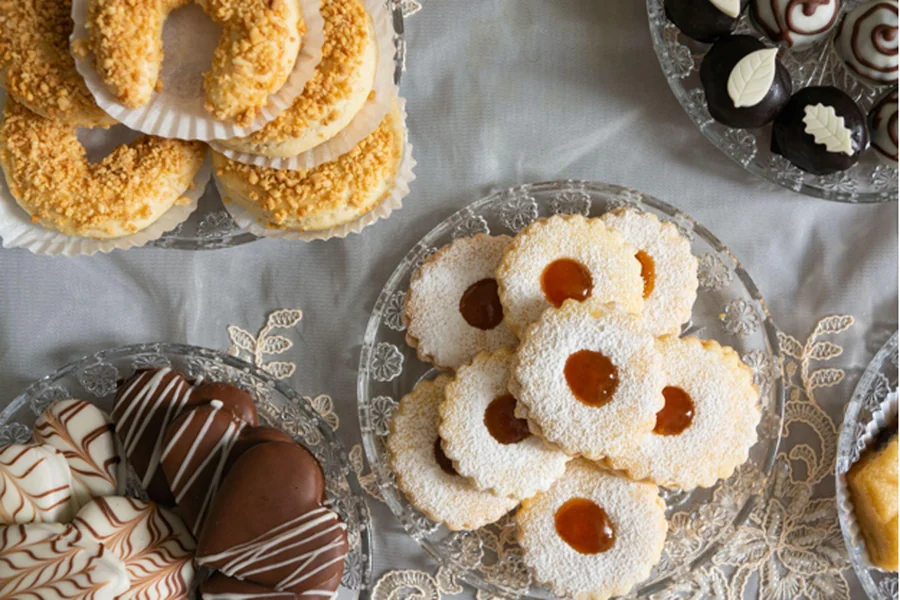
Presentation has always influenced confectionery purchases, but traditional packaging styles are receiving renewed attention. Decorative tins, illustrated wrappers, and vintage-inspired labels can make everyday sweets feel more distinctive.
Metal mint tins are particularly recognizable because they combine practical storage with visual appeal. Their compact dimensions make them convenient for bags, desks, and travel, while attractive designs can encourage people to reuse the containers.
Independent confectionery brands frequently incorporate retro typography, traditional illustrations, and carefully selected colors to create a recognizable identity. These details can communicate personality before consumers even open the package.
Packaging also plays an important role in gifting. A beautifully presented selection of sweets can serve as a small gesture of appreciation without requiring an elaborate occasion.
The connection between appearance and experience helps traditional confectionery maintain a presence in specialty stores, gift shops, and carefully curated retail collections.
Artisan Confectionery Is Attracting Greater Interest
Another factor supporting traditional sweets is renewed appreciation for small-scale confectionery production. Independent candy makers and specialty businesses often emphasize craftsmanship, distinctive recipes, and attention to presentation.
Traditional methods of preparing boiled sweets, caramels, and other confections can provide an interesting contrast to standardized mass production. Customers may enjoy learning about these techniques as part of the purchasing experience.
Local confectionery shops also contribute to the appeal by offering products associated with regional traditions. Familiar recipes can become part of a community’s identity, particularly when businesses preserve methods passed between generations.
Artisan producers can also experiment with limited-edition flavors or unusual ingredients while retaining traditional formats. This flexibility allows established products to evolve without losing their recognizable character.
For consumers, purchasing from an independent confectioner can feel like discovering something more personal than an ordinary supermarket product.
Small Treats Fit Naturally Into Everyday Rituals
One reason classic mints and candies remain popular is their connection to ordinary moments. Unlike elaborate desserts that require preparation or a specific setting, small sweets can be enjoyed during a short break or shared during casual conversations.
A mint after lunch, a fruit candy during a journey, or a selection of traditional sweets at a family gathering can become part of familiar routines. These occasions give confectionery a social and cultural role beyond its ingredients.
Portion size also contributes to convenience. Individually wrapped sweets and compact containers allow people to carry a small selection without transporting larger desserts.
At workplaces, reception areas, and hospitality venues, offering mints or candies can create a welcoming gesture. The tradition of sharing small sweets remains recognizable across many different settings.
These simple rituals help explain why longstanding confectionery categories continue to find customers despite constant changes in food trends.
Why Classic Confectionery Continues to Evolve
The return of traditional sweets demonstrates that successful food products do not always need to abandon their original identity. Familiar flavors, recognizable shapes, and nostalgic presentation can coexist with contemporary branding and changing consumer interests.
Modern confectionery businesses have opportunities to introduce new audiences to established favorites through specialty retail, online stores, and creative packaging. Seasonal collections and carefully selected flavor variations can provide additional reasons for customers to revisit familiar categories.
At the same time, traditional products continue to appeal because they offer experiences that people already understand and enjoy. Their familiarity can be a strength rather than a limitation.
The future of classic confectionery will likely involve a balance between preserving recognizable traditions and introducing thoughtful innovations. Brands that understand the emotional appeal of familiar sweets can create products that feel relevant without losing their distinctive character.
Ultimately, the growing interest in mints, hard candies, and nostalgic treats reflects an appreciation for simple pleasures that remain meaningful across generations. Whether discovered for the first time or enjoyed as an old favorite, traditional confectionery continues to bring small moments of enjoyment into everyday life.