
Common Plumbing problems homeowners should not ignore
Most homeowners in the USA don’t realize they have plumbing problems until something urgent happens. A shower begins to drip, a drain stinks, the toilet gurgles or water shows up where it shouldn’t.
These problems may seem small at first, but plumbing problems tend to be more costly if ignored for too long.
The good news is that many plumbing problems have warning signs before they turn into serious damage.
Homeowners who understand what these indicators mean can act sooner to prevent unnecessary repairs and protect homes from:
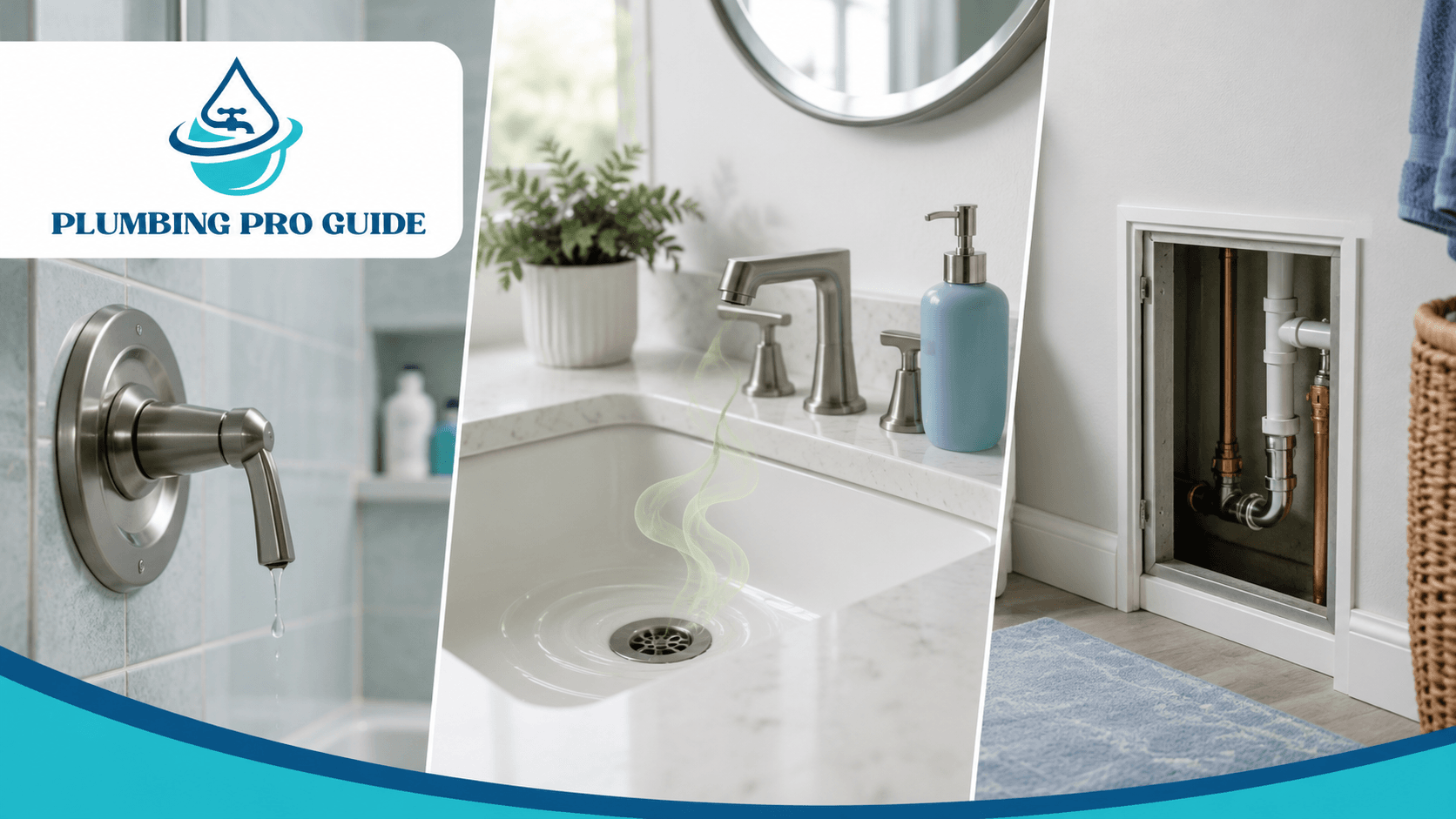
1. A Leaky
Shower Faucet
A dripping shower faucet might not seem like a big deal, especially if it is only dripping a little. But even a slow drip can be a surprising waste of water over time.
It may also increase your water bill, and damage the handle, trim, shower valve or wall area surrounding the fixture slowly.
Signs of a leaking shower faucet include:
Often the problem is a worn cartridge, washer, O ring or valve component. Some homeowners can handle simple repairs if they are comfortable turning off the water supply and removing the faucet handle.
Some may need a plumber especially if the valve is old, stuck or behind finished tile.
For homeowners who want a better understanding of the repair process, this guide on how to fix shower faucet problems explains what to check before the issue gets worse.
2. Bad Smells
Coming From Drains
A bad smell near a sink, shower, bathtub, or floor drain is another plumbing warning sign. Sometimes the cause is simple, such as buildup inside the drain or a dry P-trap. But in other cases, sewer odors can point to a venting or drainage issue.You also need to check out the bathtub cut-out installation and whether it is working properly for elderly members of your family. If not, repair it.
Plumbing systems are designed to move wastewater out of the home while allowing sewer gases to stay out of living spaces. The plumbing vent system helps balance air pressure so drains can flow properly.
If the vent is blocked or not working correctly, drains may gurgle, smell bad, or drain slowly.
A clogged plumbing vent can sometimes be caused by leaves, debris, bird nests, snow, or other blockages near the roof vent opening. Because vents are usually located on the roof, homeowners should be careful and avoid unsafe roof work. Consult with the roof replacement Knoxville to know more.
A licensed plumber can inspect the vent system and confirm whether the problem is actually the vent or another drain issue.
3. Slow Drains in Multiple Areas
One slow drain may be caused by hair, soap scum, grease, or food buildup near that fixture. But when several drains are slow at the same time, the issue may be deeper in the plumbing system.
For example, if the bathroom sink, shower, and toilet all start acting strange together, the problem may be in the branch drain or main sewer line. If water backs up in the tub when the toilet is flushed, that is a stronger sign of a drainage blockage. Common causes include:
Homeowners should avoid using chemical drain cleaners repeatedly because they may damage pipes and usually do not solve deeper plumbing issues. A plumber may use a drain snake, camera inspection, or hydro jetting depending on the condition of the line.
4. Hidden Pipe Leaks
Not every plumbing leak is easy to see. Some leaks happen behind walls, under floors, inside ceilings, or below the foundation. These hidden leaks can be more serious because they may continue for days or weeks before the homeowner notices them.
Warning signs of hidden pipe leaks include:
Warning signs of hidden pipe leaks include:
Hidden leaks should be inspected quickly. Water damage can spread behind surfaces, and mold can develop if moisture stays trapped. In some cases, leak detection equipment may be needed to locate the problem without opening large areas of the home.
According to industrial plumbing standards, a tiny 1/8-inch leak in a pressurized pipe (at 40 PSI) can waste up to 2,500 Gallons of water in just 24 hours.
Use our free Galones a Litros Convertidor on your phone to get more error free conversions.
5. Under-Slab Plumbing Problems
Some houses with slab foundations can have leaks or broken pipes under the concrete. These problems are more complicated because the plumbing lines are hard to reach.
Under-slab problems may cause symptoms such as:
Repairing under-slab plumbing can be difficult because plumbers may need to access pipes beneath the home. In some situations, instead of breaking through floors inside the house, plumbers may dig a tunnel under the foundation to reach the damaged line.
Homeowners facing this type of issue can learn more about plumbing tunnel repair and when it may be used for serious underground pipe problems.
6. Water
Pressure Changes
A sudden change in water pressure can also point to a plumbing issue. Low water pressure may be caused by a clogged aerator, partially closed valve, pipe corrosion, leak, or problem with the main water line.
High water pressure can also be harmful. It may damage fixtures, supply lines, water heaters, and appliances over time.
Homeowners may notice banging pipes, leaking faucets, or toilets that run more often when pressure is too high.
If water pressure changes suddenly or affects the whole house, it is worth having the system checked.
7. Small Plumbing Issues
can become expensive
Many homeowners delay plumbing repairs because the problem does not seem urgent. But plumbing systems usually do not fix themselves.
A small leak can damage drywall. A slow drain can turn into a full backup. A bad smell can point to a vent or sewer problem. An underground leak can affect the foundation area.
The best approach is to pay attention to early warning signs and take action before the repair becomes more expensive.
Homeowners should call a plumber if they notice: