
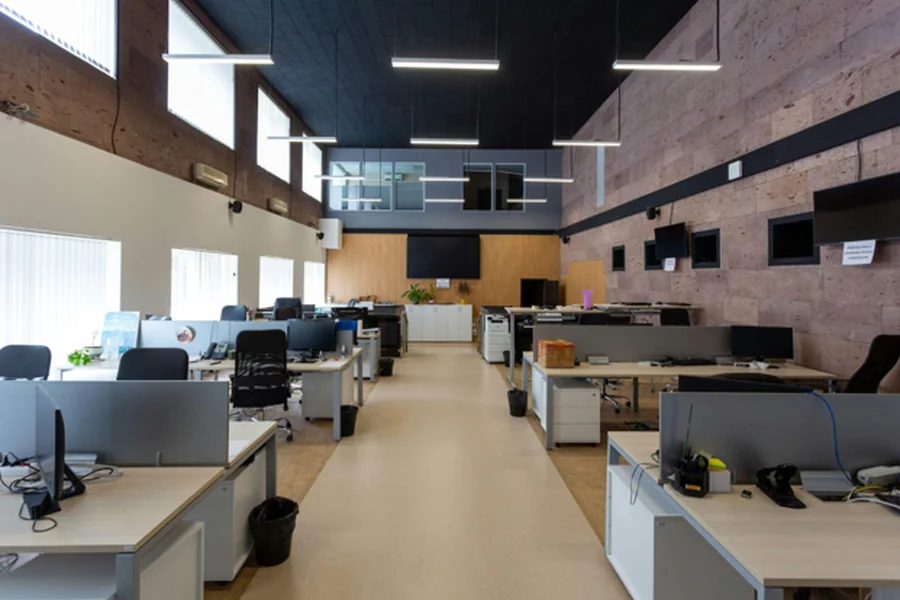
The modern workplace has changed considerably as businesses adopt cloud platforms, automated processes, and digital communication tools. Tasks that once depended on filing cabinets, printed documents, and face-to-face meetings can now be completed through connected systems accessible from almost anywhere. However, the transition toward digital operations has not eliminated the need for traditional office resources.
Many organizations still rely on physical documents, printing equipment, office supplies, and established administrative procedures to support their daily activities. Contracts, shipping labels, financial records, and customer correspondence may require printed materials even when most business processes take place online.
For business owners and office managers, the challenge is finding the right balance between established practices and newer technologies. Effective modernization does not mean abandoning every traditional process. Instead, it involves identifying which activities benefit from digital solutions while maintaining the physical resources needed for dependable operations.
Keep Essential Office Supplies Connected to Digital Workflows
Digital transformation often receives attention through software upgrades and automation projects, but physical office equipment remains an important part of many business operations. Printers, scanners, copiers, and related supplies help connect digital information with tasks that still require physical documentation.
Businesses that regularly prepare invoices, contracts, shipping documents, or promotional materials need dependable printing resources. Managing these supplies becomes especially important when several departments use different equipment models or printing requirements change throughout the year.
Working with specialized suppliers can make this process more organized. Supply Link USA offers printer and copier supplies, including ink cartridges, toner, imaging components, and maintenance products for equipment from numerous manufacturers. Having access to specialized replacement supplies helps businesses maintain existing office equipment while continuing to improve their digital operations.
Office managers can strengthen this approach by maintaining accurate equipment records and monitoring supply consumption. Recording printer models, compatible cartridge numbers, and typical purchasing requirements makes replenishment easier and reduces unnecessary administrative work.
Rather than treating traditional equipment as separate from modernization, businesses can incorporate it into coordinated purchasing and maintenance systems.
Introduce Digital Document Management Without Disrupting Operations
Document management is one of the clearest opportunities for improving office efficiency. Businesses frequently handle contracts, purchase orders, employee records, and financial documents that must remain accessible to authorized staff.
Digital storage platforms allow organizations to organize these materials into searchable systems, reducing the time employees spend locating information. Shared folders, consistent naming conventions, and appropriate access permissions can make document handling more straightforward.
However, introducing a new system requires careful planning. Employees need to understand where documents belong, how changes are recorded, and which versions should be used.
Organizations can begin by digitizing frequently accessed records before expanding the process to less commonly used materials. Existing paper archives may also require specific retention and handling procedures.
A gradual transition allows teams to develop familiarity with digital systems while maintaining continuity in their everyday responsibilities.
Automate Repetitive Administrative Responsibilities
Routine administrative work can consume substantial time, particularly in organizations where employees manually transfer information between systems. Invoice processing, appointment scheduling, inventory updates, and expense reporting are familiar examples.
Automation tools can reduce repetitive steps by connecting information and triggering actions according to established rules. For example, an accounting platform might automatically generate recurring invoices or send reminders when payments approach their due dates.
These improvements allow employees to devote more attention to customer service, problem-solving, and other responsibilities requiring professional judgment.
Before introducing automation, businesses should examine their existing processes to identify unnecessary steps and common sources of delays.
Clear procedures are important because automating a poorly organized workflow may simply reproduce its existing problems.
Starting with a few predictable tasks gives organizations an opportunity to evaluate results before expanding automation across additional departments.
Maintain Reliable Communication Across Different Work Arrangements
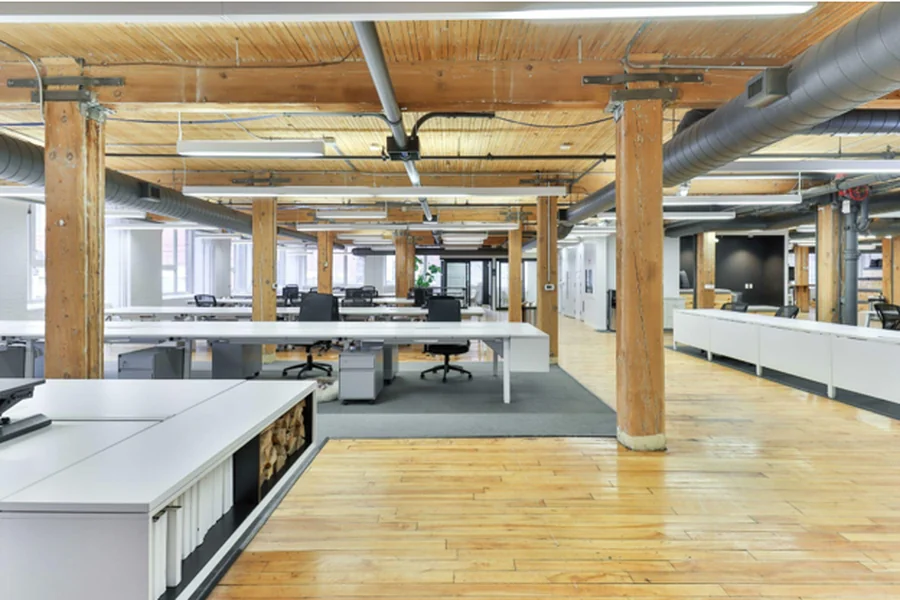
Digital-first workplaces increasingly support employees working from offices, homes, and other locations. This flexibility makes clear communication essential because colleagues may no longer share the same physical environment throughout the working week.
Messaging platforms, video conferencing tools, and shared project systems provide convenient ways to exchange information and coordinate responsibilities.
However, introducing several communication applications without clear expectations can create confusion. Employees should understand which channels are appropriate for urgent requests, project discussions, and routine updates.
Traditional communication methods also remain useful. Phone conversations and in-person meetings can be particularly effective when discussing complicated issues or resolving misunderstandings.
Businesses benefit from selecting communication methods according to the nature of the task rather than assuming every interaction should occur through the newest platform.
Consistency and accessibility matter more than the number of applications available.
Build an Office Environment That Supports Modern Technology
Workplace design plays an important role in helping employees use digital tools effectively. A modern office needs more than computers and internet connections; it also requires practical layouts that support focused work, collaboration, and everyday administrative responsibilities.
Comfortable workstations, suitable lighting, organized cables, and accessible charging facilities contribute to a more functional environment.
Shared equipment should be positioned where employees can use it conveniently without interrupting colleagues. Printers, document scanners, and supply storage areas can be grouped into designated administrative zones.
Meeting rooms may benefit from reliable video conferencing equipment, while quieter spaces can support tasks requiring sustained concentration.
Businesses should also evaluate their network capacity and electrical infrastructure when introducing additional connected devices.
Thoughtful office design helps ensure that technology improves daily operations rather than creating unnecessary complications.
Train Employees to Use New Systems Confidently
Introducing digital tools is only one part of workplace modernization. Employees must also understand how those systems support their responsibilities and how to use them effectively.
Training should focus on practical tasks that staff members perform regularly. Demonstrations, written instructions, and opportunities to practice can make unfamiliar software easier to understand.
Different employees may require different levels of support, particularly when their previous experience with technology varies.
Organizations can encourage learning by identifying colleagues who are comfortable explaining particular systems and providing opportunities for questions.
Regular feedback also helps managers recognize where additional guidance is needed. An application that appears straightforward to its developers may present difficulties during everyday office use.
Investing in employee confidence makes digital adoption more sustainable and helps organizations gain greater value from their technology investments.
Balance Modernization With Long-Term Operational Efficiency
Successful digital transformation is not measured by how many traditional processes a business eliminates. Its real value comes from improving reliability, reducing unnecessary work, and helping employees complete their responsibilities more effectively.
Organizations should regularly review software subscriptions, equipment maintenance costs, purchasing arrangements, and employee feedback. These evaluations can reveal opportunities to simplify operations without introducing unnecessary changes.
A business may discover that certain processes benefit from complete automation, while others work best through a combination of digital systems and familiar physical resources.
Long-term planning also requires attention to cybersecurity, data protection, equipment compatibility, and dependable technical support.
Ultimately, a digital-first workplace remains dependent on well-organized operations, capable employees, and appropriate resources. Traditional office equipment and modern technologies can complement one another when their roles are clearly defined.
Businesses that approach modernization thoughtfully can preserve the practical strengths of established office processes while embracing digital tools that improve productivity, communication, and everyday efficiency.