
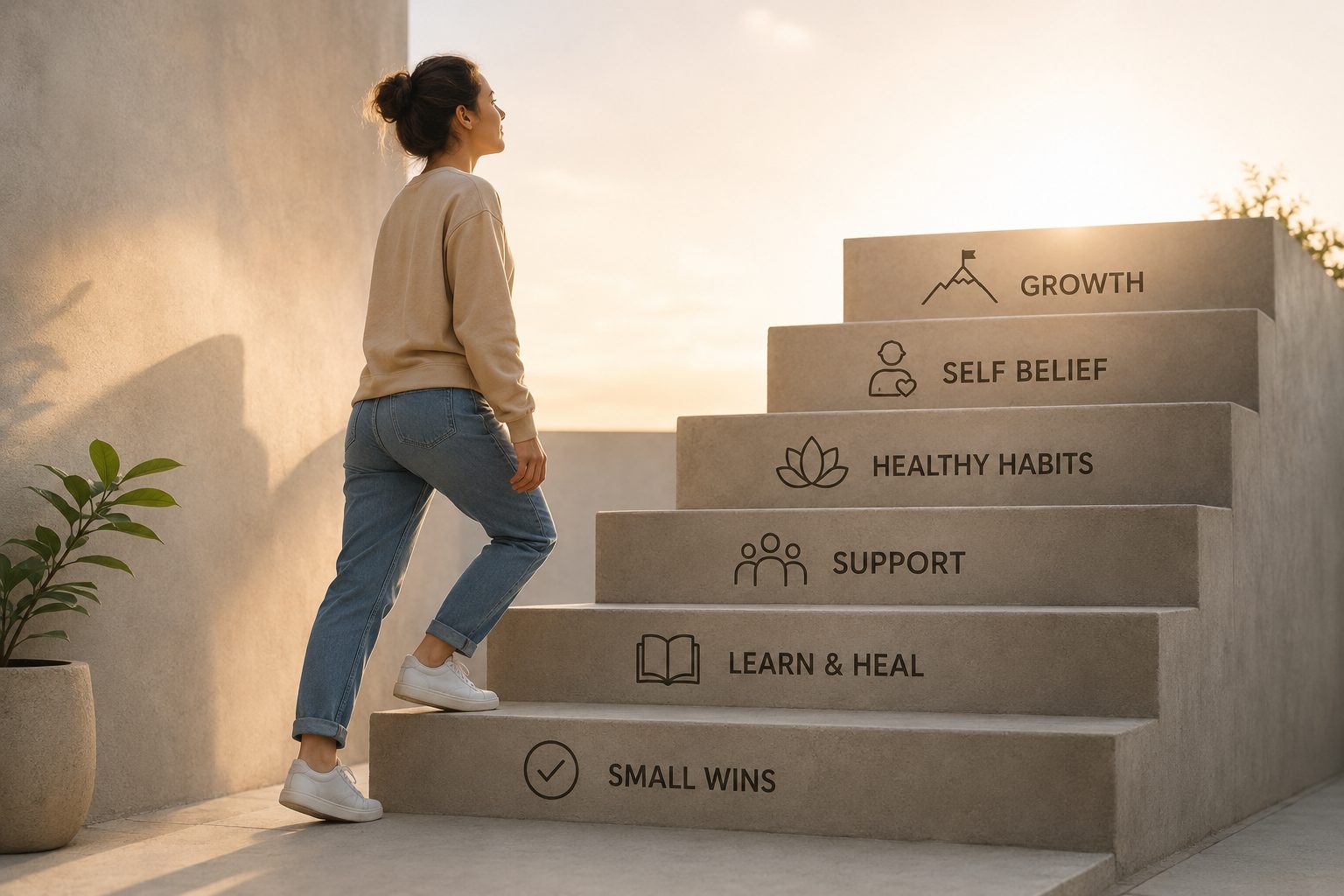
Confidence has a way of changing over time. It grows through success, shrinks after setbacks, and often needs to be rebuilt after life’s most difficult moments. Whether someone has faced the loss of a loved one, financial hardship, a serious illness, relationship struggles, or personal battles with addiction, recovering confidence rarely happens overnight. It’s a gradual process that comes from small victories, healthy habits, and a willingness to keep moving forward.
Many people assume confidence is something people either have or don’t. In reality, confidence is built through experience. It develops when people overcome challenges, learn from mistakes, and discover that they are stronger than they once believed. Even after life’s toughest seasons, it’s possible to regain a sense of purpose and trust in yourself.
When people experience major setbacks, self-doubt often follows. Negative experiences can leave lasting emotional effects, making it difficult to believe in personal abilities or future success.
Challenges such as unemployment, divorce, trauma, or struggles with substance use can create feelings of guilt, embarrassment, or failure. Over time, these emotions may convince someone that they aren’t capable of making positive changes.
The truth is that difficult experiences don’t define a person’s worth. They simply become part of the story—not the ending.
Recognizing this difference is often the first step toward rebuilding confidence.
Accept That Healing Isn’t Linear
One of the biggest misconceptions about personal growth is believing progress should always move forward. In reality, healing has ups and downs.
There will be days when motivation feels high and others when old fears return. Neither experience means failure.
Confidence grows by continuing despite occasional setbacks. Every difficult day that someone works through becomes proof that resilience is developing.
Instead of expecting perfection, it’s healthier to focus on consistency.
Celebrate Small Wins
People often overlook small achievements because they’re focused on reaching bigger goals. However, confidence is built through small successes repeated over time.
Examples include:
- Getting out of bed on a difficult morning
- Completing a workout
- Applying for a new job
- Having an honest conversation
- Following through on daily responsibilities
- Learning a new skill
Each accomplishment reinforces the belief that progress is possible.
Small victories eventually become larger milestones.
Replace Self-Criticism With Self-Compassion
Many people become their own harshest critics after facing adversity.
Thoughts like:
- «I should have known better.»
- «I’ll never recover.»
- «I’m not good enough.»
can slowly erode confidence.
Practicing self-compassion doesn’t mean ignoring mistakes. Instead, it means responding to yourself the same way you would encourage a close friend.
Mistakes become opportunities to learn instead of evidence of failure.
This shift in thinking can dramatically improve emotional resilience over time.
Build Healthy Daily Habits
Confidence doesn’t only come from major accomplishments. It also develops through routines that create stability.
Simple habits can make a noticeable difference:
- Maintaining regular sleep
- Eating balanced meals
- Staying physically active
- Practicing mindfulness
- Limiting negative self-talk
- Spending time outdoors
These habits improve both physical and emotional well-being while creating a sense of control during uncertain periods.
The more consistent these routines become, the more confidence naturally grows.
Surround Yourself With Positive Support
No one rebuilds confidence entirely alone.
Supportive family members, trusted friends, mentors, and community groups can provide encouragement during difficult seasons.
Sometimes another person believes in us before we believe in ourselves.
Healthy relationships also offer perspective, reminding us that setbacks don’t erase our strengths or future potential.
Seeking support is a sign of courage—not weakness.
Learn From Past Challenges
It’s easy to view painful experiences only through the lens of loss.
However, many people eventually recognize valuable lessons hidden within those hardships.
Difficult life experiences often teach:
- Patience
- Emotional strength
- Better decision-making
- Healthier boundaries
- Greater empathy
- Appreciation for personal growth
Looking back with curiosity instead of regret helps transform painful memories into sources of wisdom.
Don’t Compare Your Journey to Others
Social media often highlights success stories while hiding the struggles behind them.
Comparing your progress to someone else’s can make rebuilding confidence much harder.
Everyone heals at a different pace.
Some people recover quickly, while others require more time—and both paths are completely normal.
The only meaningful comparison is between who you are today and who you were yesterday.
Even small improvements deserve recognition.
Finding Strength Through Professional Guidance
Some life challenges create emotional wounds that are difficult to navigate alone. In those situations, professional support can become an important part of rebuilding confidence.
For individuals recovering from addiction, substance abuse therapy often provides practical tools for understanding emotional triggers, improving coping strategies, and developing healthier patterns of thinking. Rather than focusing only on stopping harmful behaviors, substance abuse therapy also helps many people rebuild self-esteem and restore trust in themselves over time. For those seeking holistic, high-end care tailored to individual recovery, engaging in luxury substance abuse treatment offers a private, restorative environment where personalized clinical programs and compassionate guidance support long-term wellness and personal transformation.
As individuals continue their recovery journey, substance abuse therapy may encourage personal accountability while also reinforcing the idea that setbacks do not erase progress. Through consistent effort, many people begin to recognize strengths they overlooked during difficult periods of life.
When combined with supportive relationships and healthy routines, substance abuse therapy can become one part of a broader path toward renewed confidence and emotional well-being.
Focus on Progress Instead of Perfection
Perfection is an impossible standard.
People who rebuild lasting confidence understand that growth is about making progress—not avoiding mistakes.
Some days will feel easier than others.
Some goals will take longer than expected.
Neither changes the fact that every positive decision moves life forward.
Celebrating progress encourages persistence, while chasing perfection often leads to frustration.
Create a Vision for the Future
Confidence becomes stronger when people have something meaningful to work toward.
Setting realistic goals provides direction and motivation.
These goals don’t need to be life-changing.
They might include:
- Learning a hobby
- Returning to school
- Building healthier relationships
- Improving physical health
- Advancing a career
- Volunteering in the community
Each goal creates opportunities to experience success, reinforcing confidence one step at a time.
Final Thoughts
Every person encounters seasons that test their resilience. Difficult experiences may temporarily shake confidence, but they don’t have to define the future. Rebuilding self-belief is rarely about making one dramatic change. More often, it’s the result of small, consistent actions that gradually restore trust in yourself.
By practicing self-compassion, celebrating everyday progress, maintaining healthy routines, seeking support when needed, and embracing opportunities for growth, confidence can become stronger than it was before. For those facing the unique challenges of recovery, substance abuse therapy can provide valuable guidance while supporting long-term emotional healing and personal development.
Life’s hardest chapters often reveal strengths that were never fully recognized. With patience, persistence, and a commitment to moving forward, confidence can be rebuilt—one meaningful step at a time.