

A busy home rarely becomes untidy all at once. Mess usually builds in the same high-use areas: the kitchen counter where everything gets dropped, the entryway filled with shoes and bags, the bathroom used during rushed mornings, or the corner where work and personal projects overlap. Cleaning every room with the same frequency can therefore waste time without solving the problems residents notice most.
A more practical strategy is to identify where clutter, dirt and spills appear fastest, then give those areas a simple routine of their own. Once the hardest-working spaces are under control, the rest of the home becomes easier to maintain. This approach does not demand hours of daily cleaning. It relies on better storage, suitable tools and short resets that prevent small messes from spreading throughout the house.
Organize the Spaces Used for Personal Projects
Hobbies and home-based work often bring many small items into one concentrated area. A beauty station, for example, may contain brushes, bottles, applicators, nail tools and lash supplies from PLA Pro, all of which are easier to use when arranged by purpose instead of left across the work surface. Shallow drawers, divided containers and labeled trays can keep frequently used products visible without making the room feel crowded.
The most effective organization system is usually the one that takes the least effort to maintain. Everyday items should be within reach, while backup supplies and rarely used equipment can stay in cabinets or closed boxes. A washable mat beneath the working area also makes it easier to deal with powder, polish or other residue before it reaches surrounding furniture and floors.
Give the Kitchen More Than One Reset Point
The kitchen often collects several kinds of mess at once. Food preparation creates crumbs and spills, while mail, school papers, keys and shopping bags turn clear counters into temporary storage. Waiting until the end of the evening to address everything can make the job feel larger than it is.
A quick reset after each major meal keeps the room functional. Dishes can go directly into the dishwasher, ingredients can return to their cabinets, and preparation surfaces can be wiped before residue dries. Household paperwork should have a separate tray away from cooking areas so that it does not become part of the kitchen clutter. These small reset points prevent one busy room from affecting the mood of the entire home.
Match the Cleaning Tool to the Size of the Job
A broom, vacuum and mop will handle most residential floors, but larger properties can present different challenges. Attached workshops, expansive garages, shared buildings and spaces used for a home business may accumulate more dust and debris than ordinary household tools can collect efficiently. In those situations, understanding a commercial sweeper definition clarifies how machines with rotating brushes, collection bins and, in some models, suction systems differ from standard cleaning equipment.
The lesson applies even when commercial machinery is unnecessary: the tool should reflect the surface and the type of mess. A compact handheld vacuum may be ideal for stairs and upholstery, while a microfiber mop works better for regular hard-floor maintenance. Choosing appropriately reduces repeated work and makes it easier to clean a problem area before dirt travels elsewhere.
Stop Entryway Clutter at the Door
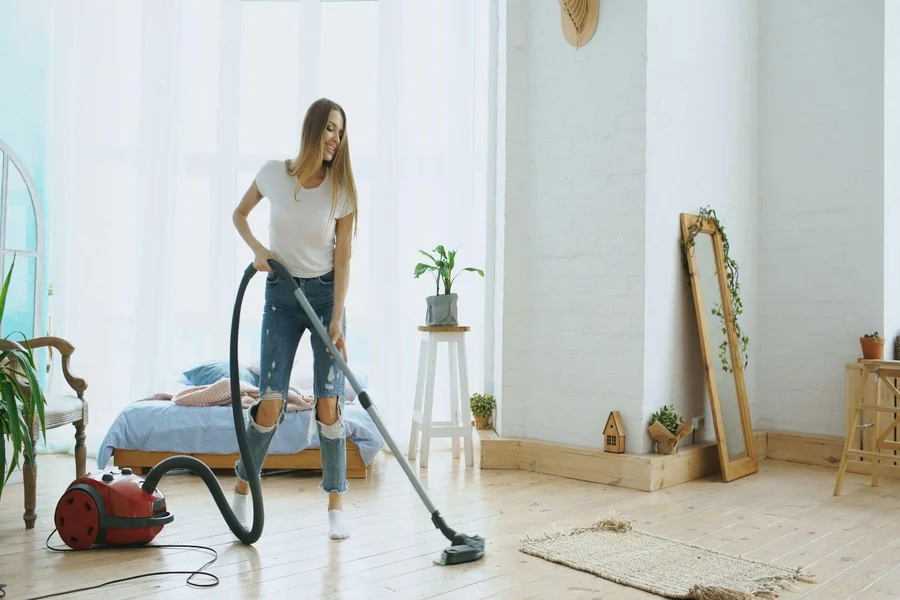
The entrance has an outsized effect on how clean a home feels because it is both the first area people see and the point where outdoor dirt arrives. Shoes, coats, umbrellas, sports gear and pet accessories can quickly overwhelm a narrow hallway when they have no assigned place.
A durable mat inside and outside the door captures much of the dirt before it reaches other rooms. Hooks should be positioned at convenient heights, while a bench with concealed storage can hold shoes or seasonal accessories. Each household member can also have a small basket for objects that need to be carried to another room. Emptying those baskets during the evening reset prevents the entryway from becoming permanent storage.
Focus on Bathroom Moisture and Daily Clutter
Bathrooms may look untidy even when they are relatively clean because toiletries, damp towels and grooming tools remain visible. Keeping only daily essentials near the sink creates more usable space and makes the surface much faster to wipe. Products that are used occasionally can be grouped in drawers or small containers rather than spread across shelves.
Moisture deserves attention as well. Running the ventilation fan, hanging towels with enough space to dry and wiping excess water around the sink or shower help the room stay fresher between deeper cleanings. A short daily routine is particularly useful in a shared bathroom, where several rushed mornings can create a week’s worth of disorder surprisingly quickly.
Build the Routine Around Pressure Points
Cleaning schedules work best when they reflect how a household actually uses its rooms. A family that cooks every day may need frequent kitchen resets, while a household with pets may spend more time on floors and upholstery. Fixed plans copied from somewhere else often fail because they give equal attention to spaces with very different demands.
The messiest areas should receive a few minutes each day, while quieter rooms can be handled less frequently. Residents can also divide tasks by location instead of expecting one person to clean the entire home. When storage and supplies are already available where problems occur, those short routines become easier to repeat. Over time, controlling a handful of pressure points keeps the whole house cleaner without turning every evening into a major cleanup.