
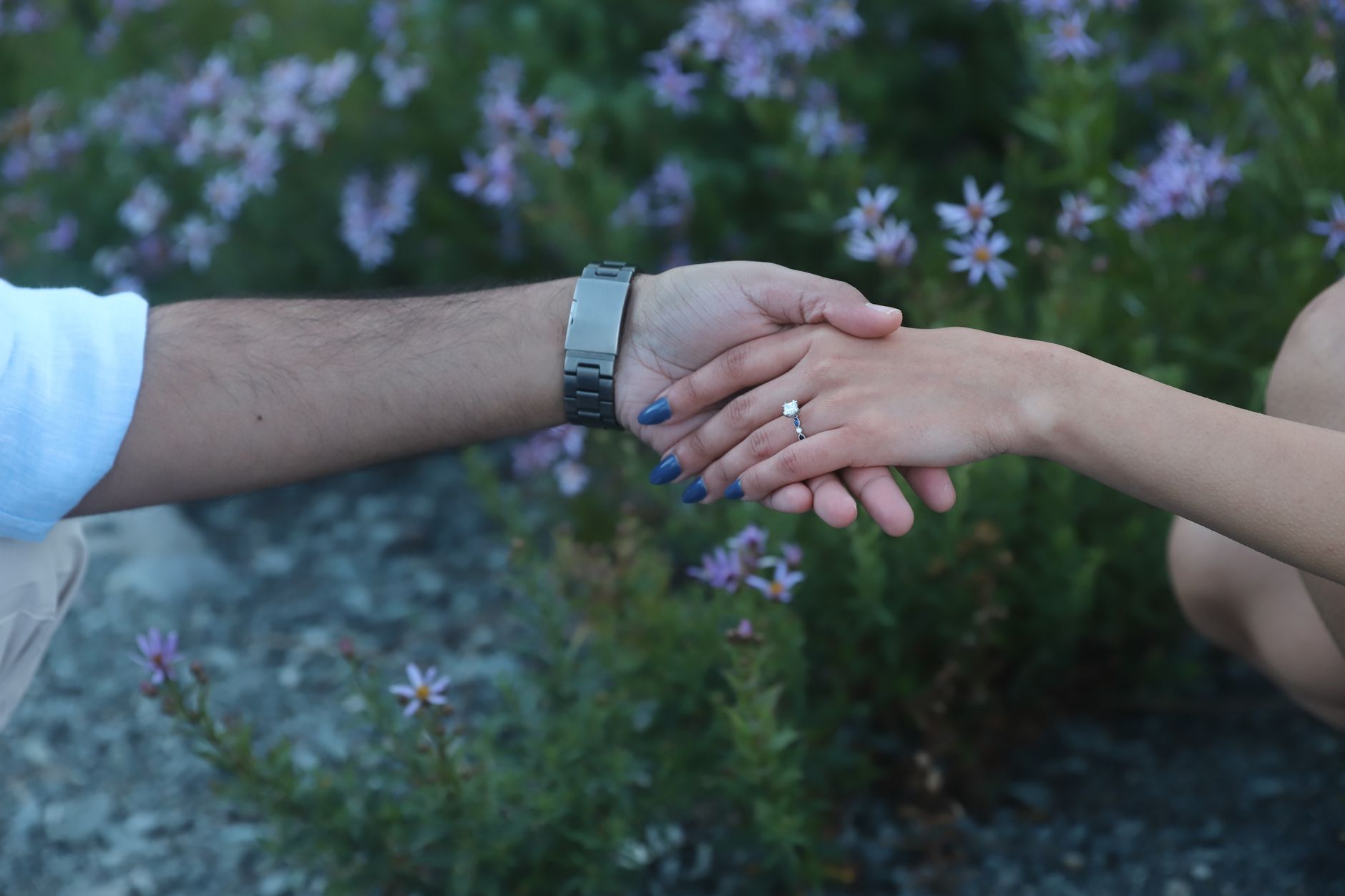
Your pet was there for the late-night talks, the lazy Sundays, and maybe even the proposal. So it makes sense to bring them into your engagement photos.
Pets also add something no pose can. A dog leaning into your leg or a cat ignoring the camera makes a photo feel real.
There’s a catch, though. Pets don’t take direction; they can overheat faster than people, and a new place can stress them out. With a little planning, you can keep your pet safe and still get the shots you want. Below, you’ll find a readiness check, a simple timeline, a packing list, pet-safe props, and poses that actually work with animals.
Key Takeaways
- Check your pet’s comfort level before you book.
- Bring a friend to act as the pet handler.
- Keep your pet’s part of the shoot short, about 20 minutes.
- Test the ground with your hand before your pet walks on it.
- Keep lilies and other toxic flowers away from pets.
- Shoot with your pet first, while their energy is fresh.
Is Your Pet Ready for a Photo Session?
Not every pet wants to be a model, and that’s okay. Be honest about your pet’s personality before you plan anything else.
A Quick Readiness Check
If you can answer yes to most of these, your pet is likely a good fit:
- Does your pet stay calm around strangers?
- Can they handle a new place for 20 minutes without panic?
- Do they respond to “sit,” “stay,” or their name, even with distractions?
- Are they comfortable on a leash, in a carrier, or on your lap?
- Are they healthy, with no recent illness or injury?
Pets That Need Extra Care in Heat
Some pets struggle in warm weather much more than others. The American Animal Hospital Association lists these pets as higher risk in the heat:
- Flat-faced breeds, like pugs, bulldogs, and Persian cats
- Pets with obesity, heart disease, or breathing problems
- Hairless or thin-coated pets, like the Sphynx cat or Chinese crested dog
If your pet fits one of these groups, plan a cool morning or a shaded indoor session.
Signs Your Pet Has Had Enough
Watch your pet the whole time, not just the camera. Common stress signs include:
- Lip licking, yawning, or shaking off when they’re not wet
- A tucked tail or ears pinned back
- Showing the whites of their eyes
- Hiding, pulling away, or refusing treats
Heat stress looks different. AAHA lists heavy panting, a red tongue and gums, thick sticky saliva, and seeking shade or lying down as early warning signs. If you see any of these, stop the session, move to shade, and offer water.
When to Leave Your Pet at Home
Very old pets, pets recovering from illness, and pets with strong anxiety may be happier at home. You still have options. A short at-home mini session, or a framed photo of your pet held in one shot, keeps them in the story without the stress.
Talk to Your Photographer First
A photographer who is calm around animals makes a huge difference. Ask these questions before you book:
- Have you photographed pets before? Can I see a few examples?
- Do you know pet-friendly spots nearby?
- Will you shoot the pet part first, then continue without them?
- Do you use flash? Some pets get startled by sudden bursts of light.
- Does a longer session cost extra if our pet needs breaks?
Share your pet’s quirks too. If your dog hates bikes or your cat bolts at loud noises, your photographer can plan around it.
Choose a Pet-Safe Location
The right place keeps your pet relaxed and keeps you out of trouble with park staff.
Check the Rules First
Pet rules change from place to place. National parks often follow the B.A.R.K. Ranger principles: bag your pet’s waste, always use a leash, respect wildlife, and know where pets can go. The leash can be no longer than 6 feet. Some parks also keep pets off most trails, so check the park’s own page before you pick a spot.
Private gardens, wineries, and venues set their own rules. Ask before you bring an animal, and get the answer in writing if you can.
Test the Ground With Your Hand
Hot ground is one of the easiest risks to miss. According to AAHA, asphalt, concrete, sand, and metal can get 40 to 60 degrees hotter than the air. On an 85°F day, asphalt can reach about 135°F, which can burn paws within a minute.
A simple rule of thumb: press the back of your hand to the ground for a few seconds. If it’s too hot for your hand, it’s too hot for paws. Pick grass, shade, or a cooler time of day.
Compare Common Locations
Each setting has its own perks and risks. Use this table to pick a spot that suits your pet.
| Location | Why It Works | Watch Out For |
| Your home or backyard | Familiar smells, zero travel stress | Clutter in the frame |
| Quiet local park | Space to walk and sniff | Other dogs, squirrels, leash rules |
| Beach | Beautiful light at sunset | Hot sand, salt water, pet bans on some beaches |
| Forest trail | Shade and soft ground | Ticks, wildlife, trail restrictions |
| Downtown streets | Polished city look | Hot pavement, traffic, crowds |
Avoid Noise and Crowds
Busy streets, events, and dog parks pull your pet’s focus. A quiet weekday morning or an hour before sunset usually means fewer people and cooler ground.
Bring a Pet Handler and Plan the Timeline
You can’t hold a leash, wrangle treats, and look in love all at once. That’s why a pet handler matters more than any prop.
What the Handler Does
Pick a friend or family member your pet already knows and trusts. Their jobs:
- Hold the leash between shots
- Stand right behind the photographer with a treat or toy, so your pet looks toward the camera
- Offer water and shade breaks
- Take your pet home or to the car once their part is done (never leave a pet alone in a parked car)
A Sample Timeline
Here’s a made-up example of how a one-hour session could flow. Adjust it to your pet’s energy.
| Time | What Happens |
| 0–5 minutes | Arrive early and let your pet sniff around and settle in |
| 5–25 minutes | Photos with your pet, starting with the easiest poses |
| 25 minutes | The handler takes your pet for water, a walk, or the ride home |
| 25–60 minutes | Photos of just the two of you |
Starting with your pet means you catch them while they’re curious and fresh. It also means you can relax for the rest of the session.
What to Pack for Your Pet
A small pet kit saves the session when things go sideways. Put these in one bag and give it to your handler:
- Water and a collapsible bowl
- Small, soft treats in a quiet pouch (crinkly bags can spook some pets)
- A short leash, plus a backup
- A squeaky toy or a sound your pet always reacts to
- A lint roller for pet hair on your clothes
- Waste bags and pet-safe wipes
- A towel or small blanket for sitting shots
- A cooling mat or wet bandana on warm days
One more tip: skip feeding a big meal right before the shoot. A pet that is a little hungry pays more attention to treats.
Props and Flowers That Are Safe Around Pets
Props can make a photo charming. A few of them can also make a pet very sick.
Flowers to Keep Away From Cats
Lilies are the big one. The ASPCA warns that Easter lilies, Asiatic lilies, and daylilies can be extremely toxic to cats. Every part counts, including leaves, stems, pollen, and even water from a vase that held them. A small exposure can cause kidney failure.
If your cat is joining the shoot, leave lilies out of the bouquet entirely. For other flowers, check the ASPCA’s list of toxic and non-toxic plants before you buy. If you think your pet ate something toxic, call your vet or the ASPCA Animal Poison Control Center at (888) 426-4435 right away. A consultation fee may apply.
Safer Prop Ideas
- A sign like “My humans are getting married”
- A bandana or bow tie your pet already wears without fuss
- Their favorite blanket from home
- A toy you can toss for a playful action shot
Props and Ideas to Skip
- Rings on collars or noses. A dropped ring can roll into the grass, and a swallowed one means a trip to the vet. Keep the ring on your finger.
- Balloons and confetti. Pops can scare pets, and small pieces are easy to swallow.
- Tight costumes. Skip anything that limits breathing, sight, or movement.
- Chocolate or people food as treats. Stick to the treats your pet already eats.
Natural Poses With Your Pet
Pets don’t hold poses, so plan moments instead. These six work with real animals, not trained ones.
1. The Loose-Leash Walk
- How: Walk slowly toward the camera with your pet between you. Keep the leash loose so it doesn’t pull tight in the frame.
- Why it works: Your pet is doing something it already loves, so it looks relaxed.
- Tip: Ask your photographer to edit out the leash later if you want a cleaner look.
2. The Floor Huddle
- How: Sit on a blanket with your pet in the middle. Look at your pet, not the camera.
- Why it works: Getting low puts you at your pet’s level, which feels safe to them.
- Tip: Put a treat in your hand to keep them close.
3. The Treat Above the Lens
- How: The handler holds a treat just above the camera. You two look at each other while your pet looks up.
- Why it works: You get one shot with your pet’s attention and your connection in the same frame.
- Tip: Have the handler make a quick sound right before the shot, so your pet’s ears perk up.
4. The Fetch Return
- How: Toss a toy a short distance. The photographer shoots as your dog runs back and you both laugh.
- Why it works: It turns energy into joy, which is perfect for playful dogs.
- Tip: Only do this in a fenced or leash-free area where it’s allowed.
5. The Paw and Ring Close-Up
- How: Rest your ring hand gently on your pet’s paw or back. Your partner’s hand joins in.
- Why it works: You get a ring detail that tells your story, and the ring stays on your finger.
- Tip: Keep it brief. A quick tap of a treat before the shot helps your pet stay still.
6. The Window Seat
- How: Sit by a bright window with your cat or small pet on one lap. Your partner leans in.
- Why it works: Soft window light flatters everyone, and your pet stays in a spot it knows.
- Tip: Turn off any flash and let your pet settle before the first shot.
Cats, Small Pets, and Nervous Animals
Cats, rabbits, and anxious pets usually need a gentler plan than an outgoing dog.
- Shoot at home. Your pet already feels safe there, and you skip the stress of travel.
- Keep it short. Aim for 10 to 15 minutes of pet time, then let them go.
- Use window light. It’s soft and quiet, with no flash bursts to startle them.
- Close doors first. A nervous cat can bolt, so shut off escape routes before you start.
- Keep a safe spot nearby. An open carrier or a favorite bed gives your pet a place to retreat.
- Let them come to you. Sit still with a treat or a wand toy and wait. Forced holding rarely ends well.
For birds, rabbits, and other small pets, keep them in a secure spot and include them in just a few close shots. Their safety matters more than a perfect frame.
Getting Inspiration Without Copying Risks
It’s fun to look at other couples’ photos with their pets. Celebrity shoots, in particular, can look effortless.
If you follow celebrity news on sites like Showbizztoday.com, treat those pet photos as mood ideas, not a safety guide. Big shoots often have trainers, assistants, and a full crew on set. For anything about heat, food, or handling, check with your vet or a trusted pet health source instead.
A better plan is a small mood board of five or six images that match your pet’s real energy. A sleepy senior dog and a wild puppy need very different ideas. Pick shots your pet can actually pull off, and share the board with your photographer.
Ways to Use Your Pet Photos
Once the gallery arrives, your pet can show up everywhere:
- Save-the-date cards with your pet front and center
- A “Meet the Family” section on your wedding website
- A welcome sign at the reception
- A framed print for your home
- A thank-you card to the friend who handled your pet
If your pet can’t attend the wedding itself, these images are a sweet way to keep them part of the day.
FAQs
Can You Bring Your Dog to Engagement Photos?
Yes, as long as your dog is calm in new places and the location allows pets. Check the leash rules, bring a handler, and plan the dog’s role at the start of the session. Keep it to about 20 minutes, then let your handler take over.
How Long Should a Pet Be in the Session?
About 15 to 25 minutes is plenty for most dogs. Cats and nervous pets often do better with 10 to 15 minutes. Watch for signs of stress or heat, and stop early if you see them.
What If My Pet Won’t Sit Still?
That’s normal. Lean into movement with walking or fetch shots, and let your handler use treats or a squeaky toy above the camera. Candid moments often turn out better than perfect poses.
Do I Really Need a Pet Handler?
It helps a lot. A handler holds the leash, keeps your pet looking at the camera, offers water, and takes your pet home when their part is done. That frees you to relax and enjoy the rest of the shoot.
Is It Safe to Bring a Cat to an Outdoor Shoot?
It can be risky. Many cats get stressed in new places and may try to bolt. An at-home session by a window is usually safer. If you do go outside, use a secure harness and keep the session very short.