
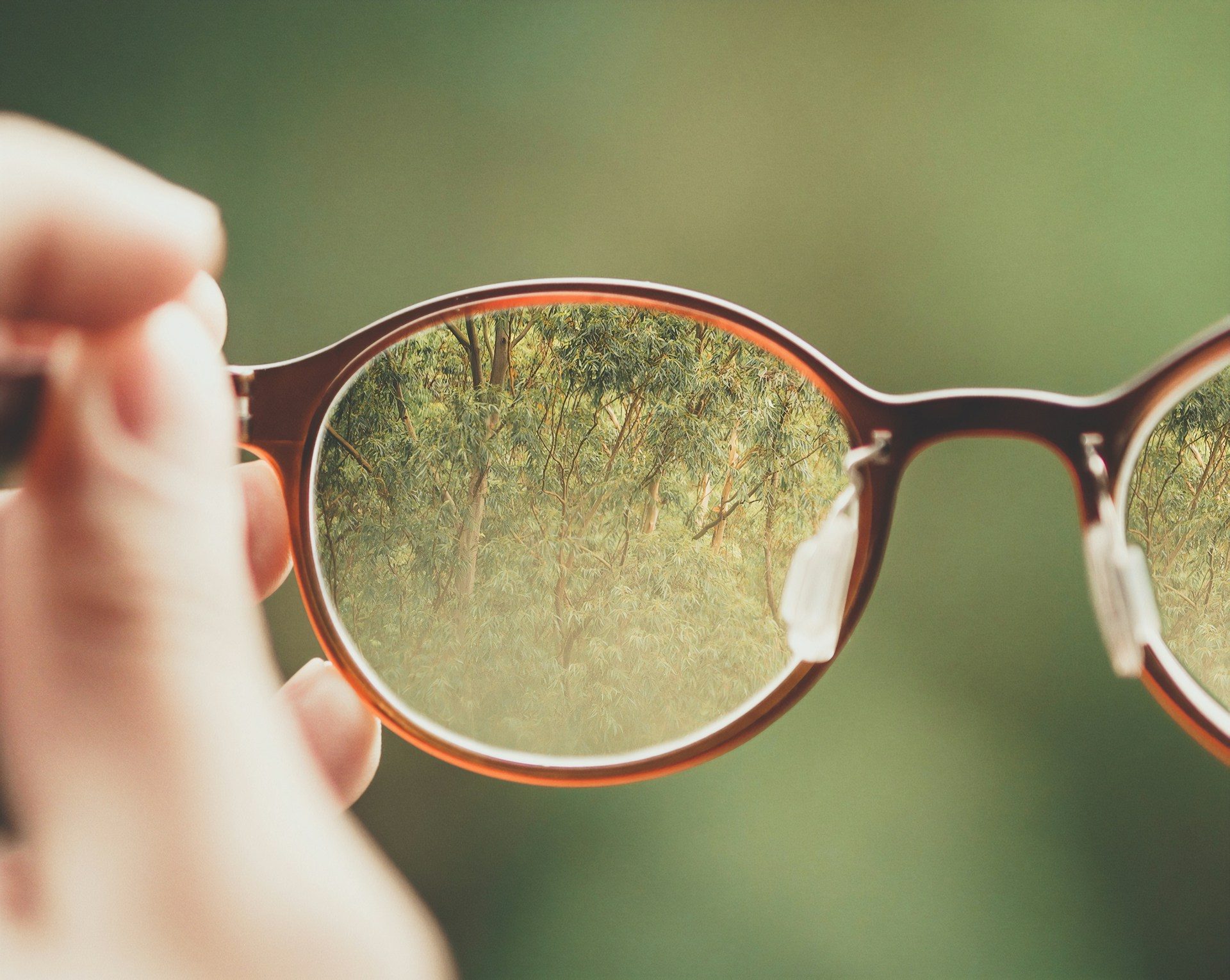
A loose screw, slipping nose pad or slightly bent arm can make your prescription glasses feel unusable. The good news is that some small problems can be handled at home with a little patience and the right tools. However, not every repair is suitable for a DIY fix. Trying to force a frame back into shape or using household glue can turn a minor issue into an expensive replacement.
The safest approach is to identify the problem first, make only a gentle adjustment and stop if the frame feels fragile. If your glasses are badly damaged, your vision looks distorted or the lenses are cracked, an optician should take over.
What You Need Before Starting
A basic glasses repair kit is useful to keep at home. Most kits are inexpensive and contain the essentials for simple repairs.
You may need:
- A small flat-head and Phillips screwdriver
- Replacement screws
- Replacement nose pads
- A soft microfibre cloth
- A small pair of optical pliers
- A glasses case
- A magnifying glass or good desk light
Avoid using large household tools. A standard screwdriver can easily damage a tiny screw or scratch the frame. It is also best to work over a clear table so that small parts do not disappear on the floor.
Fixing a Loose Screw
Loose screws are among the easiest glasses problems to resolve. They commonly appear where the arms connect to the front of the frame, especially if you wear your glasses every day or fold them frequently.
Start by cleaning the hinge area with a dry microfibre cloth. This removes dust that could prevent the screwdriver from sitting properly. Open the arm gently, place the correct screwdriver into the screw head and turn it clockwise with light pressure.
Do not overtighten the screw. The aim is to secure the arm while allowing it to open and close naturally. If the hinge becomes stiff, the screw has probably been tightened too far.
If the screw is missing, use a replacement from a glasses repair kit. Avoid using a needle, staple or piece of wire as a permanent substitute. These may hold the arm in place briefly, but they can scratch your skin or damage the hinge.
Replacing a Loose or Missing Nose Pad
Nose pads can become yellow, cracked or loose with regular use. A damaged pad may leave red marks on the nose and cause the frames to sit unevenly.
If the pad is attached with a tiny screw, remove the old screw carefully and fit the replacement pad in the same position. Tighten it gently until it is secure. Push-on nose pads are even simpler, although you may need optical pliers to remove the old one without damaging the mount.
Once replaced, check that both pads sit at the same height. Uneven nose pads can make your glasses tilt and may affect how you look through the lenses, particularly if you wear varifocal or specialist lenses.
Adjusting Glasses That Slip Down
Glasses can slip for several reasons. The arms may have loosened, the nose pads may need replacing or the frame may simply be too wide for your face. Before attempting an adjustment, clean the frame and your skin. Oil and moisture can make glasses slide even when the fit is otherwise suitable.
You can try gently tightening the screws at the hinges. Some repair kits also include small silicone ear grips that slide onto the arms and provide extra traction. These can be useful as a temporary solution.
Do not bend the arms sharply. A small adjustment may help, but excessive pressure can snap the frame or misalign the lenses. If your glasses continue to slide after cleaning and tightening, an optician can often adjust them in a few minutes.
Fixing a Slightly Bent Frame
A bent frame is more difficult to repair safely because the frame affects the position of the lenses in front of your eyes. Even a small change can make your vision feel unusual, especially when wearing stronger prescription glasses.
If one arm is sitting higher than the other, place the glasses on a flat surface and compare both sides. You may be able to make a very small adjustment with your fingers, but do not force the material. Acetate frames can become brittle, while thin metal frames may kink rather than bend smoothly.
Never use a hairdryer, lighter or boiling water to soften the frame. Heat can damage lens coatings, weaken the frame and leave permanent marks. This is particularly important if you own designer glasses, as specialist materials and decorative finishes may react badly to heat or pressure.
Putting a Popped-Out Lens Back In
A lens can occasionally pop out of a plastic frame after the glasses are dropped or twisted. If the lens is not cracked and the frame still looks intact, it may be possible to refit it carefully.
First, clean both the lens and the frame. Hold the frame with the lens facing away from you and place the edge of the lens into the deeper groove on one side. Apply gentle, even pressure around the opposite edge until it settles into place.
Do not use force if the lens will not fit. Some lenses are cut to a precise shape, and pushing too hard can crack either the lens or the frame. Metal frames are usually more complicated because the lens may be held by a thin retaining wire. These are better handled by an optician.
Common Problems and the Safest Response
| Problem | Possible home solution | When to see an optician |
| Loose hinge screw | Tighten gently with an optical screwdriver | The hinge is broken or stiff |
| Missing nose pad | Replace with a matching pad | The nose pad mount is damaged |
| Slipping frames | Clean, tighten or add ear grips | Frames remain loose or uneven |
| Popped-out lens | Refit gently if the frame is intact | Lens is cracked or will not sit correctly |
| Bent frame | Make only a minor finger adjustment | The frame is twisted or lenses look distorted |
| Scratched lens | No reliable home repair | Replace the lens professionally |
What Not to Use on Your Glasses
Superglue is one of the most common suggestions for broken glasses, but it is rarely a good idea. It can cloud lenses, leave a permanent residue and make future repairs much harder. It may also irritate the skin around your eyes.
Tape is acceptable for getting home or managing a short-term emergency, but it should not be treated as a proper repair. If the frame has sharp edges, stop wearing it altogether. A damaged frame can cut the skin or allow the lens to move unexpectedly.
It is also unwise to polish scratches out of prescription lenses with toothpaste or household products. These methods can remove protective coatings and create more visual distortion.
When Replacement Makes More Sense
Sometimes a repair is not worth attempting. If the frame is badly cracked, the lenses are scratched or your prescription has changed, replacing the glasses is usually the better option. In recent years, buying glasses online has made replacement eyewear more accessible, especially for people who already have a current prescription.
Before ordering glasses online, check the frame measurements, lens options, return policy and fitting support. If you have a complex prescription, varifocals or a previous history of fitting problems, professional advice is especially valuable.
Final Thoughts
Small repairs can extend the life of your prescription glasses, but gentle handling is essential. Tightening a loose screw or replacing a nose pad is usually manageable at home. Bent frames, cracked lenses and damaged hinges are better left to an optician.
Treat designer glasses and everyday frames with the same care. Avoid heat, superglue and excessive force, and keep your glasses in a protective case when they are not being worn. A few minutes of careful maintenance can prevent a minor fault from becoming a costly replacement.