
A welcoming home does not necessarily require expensive remodeling, new furniture, or major structural changes. Often, the most noticeable improvements come from smaller adjustments that influence how a space looks and feels. Lighting, comfortable textiles, thoughtful furniture arrangements, and personal decorations can transform an ordinary room into somewhere people genuinely enjoy spending time.
Many homeowners assume that improving their interiors means replacing outdated features or investing in an entirely new design. However, existing spaces frequently have untapped potential. A different arrangement of furniture, warmer lighting, or a few carefully chosen accessories can make rooms feel more comfortable without creating significant expenses.
The secret lies in identifying which details influence everyday comfort. By focusing on practical improvements and creating a consistent atmosphere throughout the home, it becomes possible to achieve a welcoming interior that feels personal, attractive, and relaxing.
Adding Warmth With a Fireplace That Suits Your Space
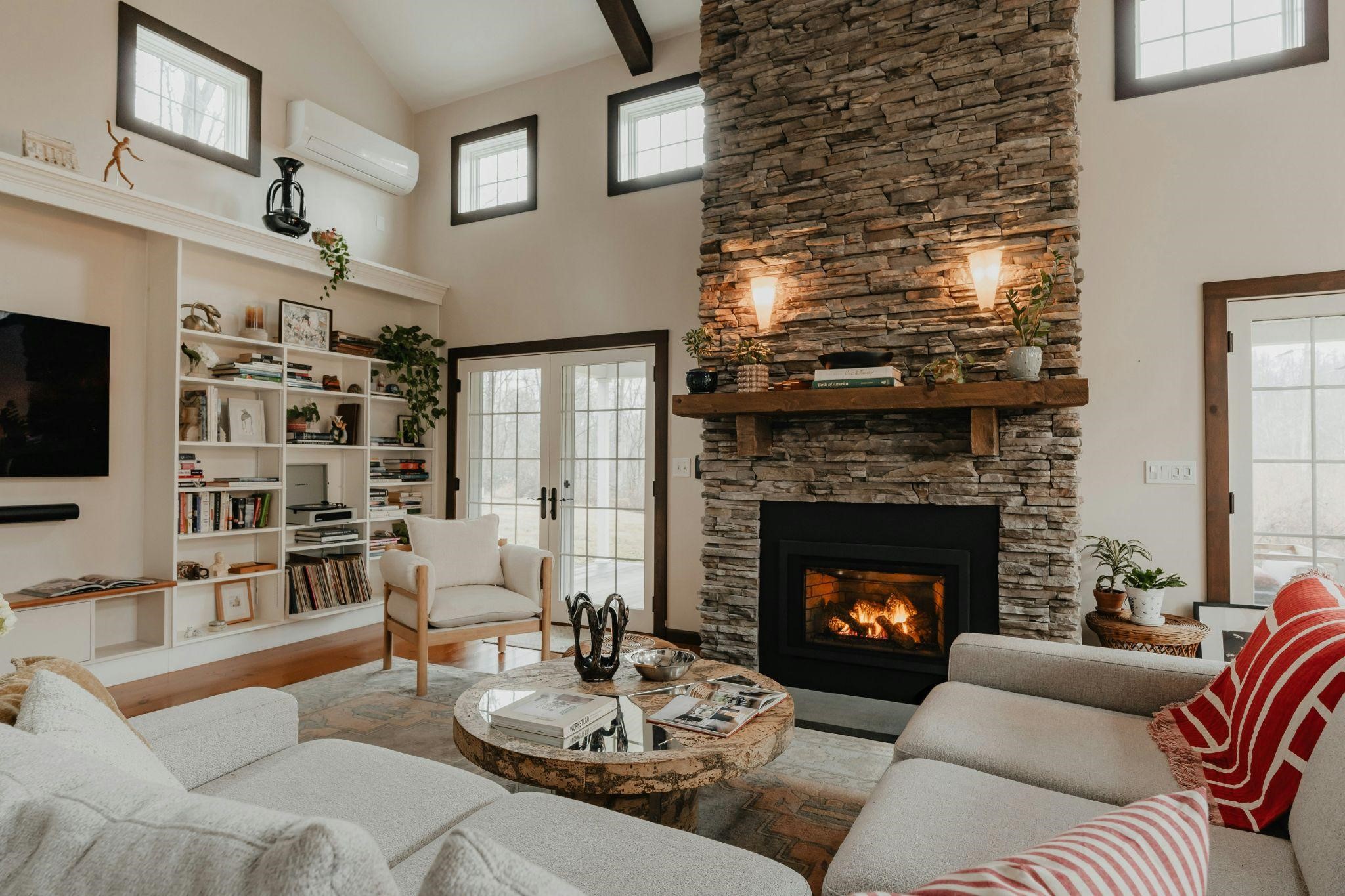
Few interior features create a welcoming atmosphere as effectively as a fireplace. The visual appeal of flames, combined with comfortable seating and soft lighting, can make a living room feel particularly inviting during colder months.
Traditional wood-burning fireplaces are not practical for every property, especially when installation requirements, ventilation, and ongoing maintenance are considered. Modern alternatives provide additional possibilities for homeowners seeking a similar atmosphere.
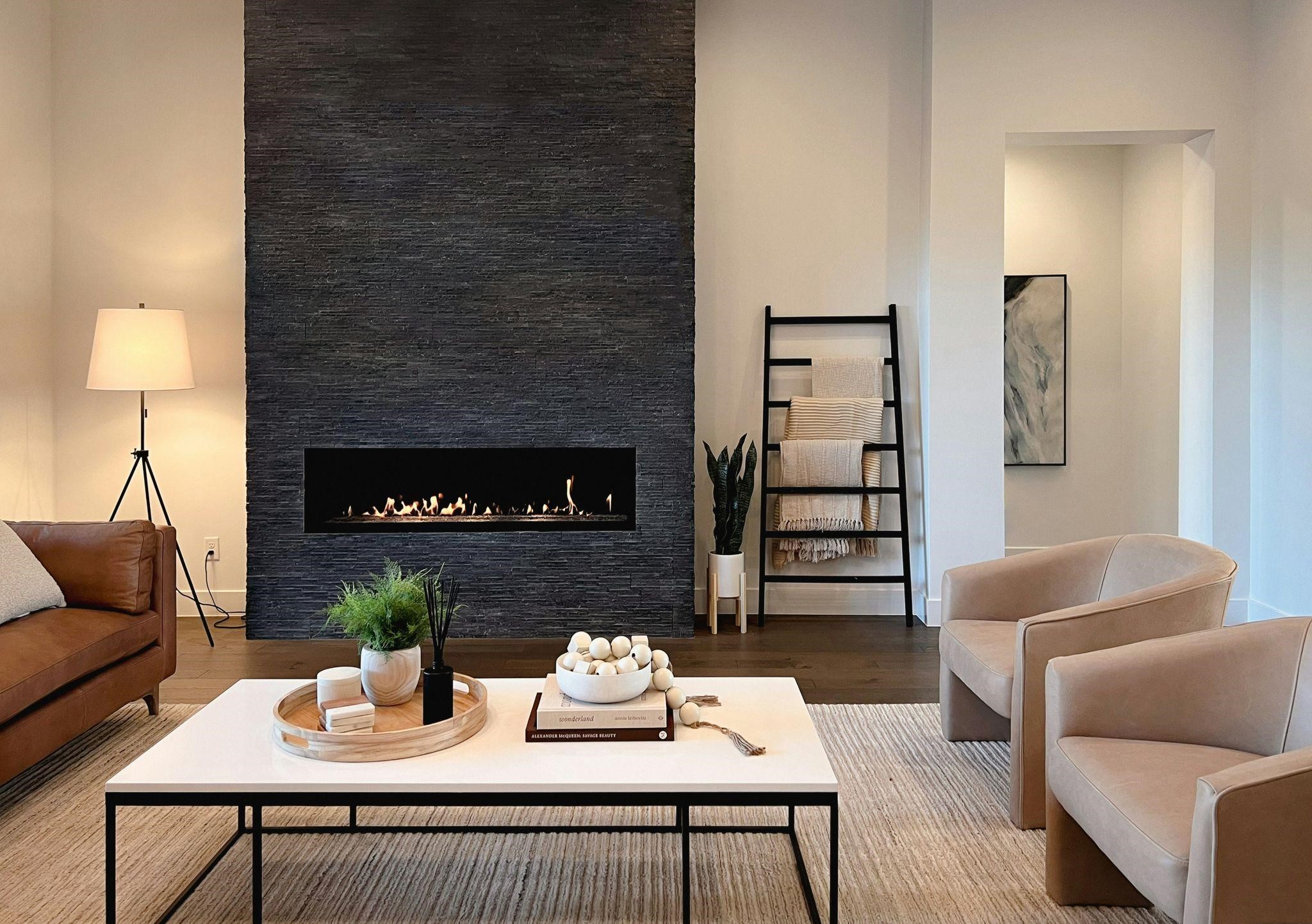
When deciding between an electric fireplace or gas fireplace, homeowners can compare installation requirements, heating performance, maintenance, and the overall appearance of each option. Electric models can be convenient in spaces without existing gas connections, while gas fireplaces offer a different heating experience and realistic flame presentation.
The surrounding design matters just as much as the fireplace itself. Comfortable armchairs, a textured rug, and understated accessories can help create a natural gathering place.
A thoughtfully incorporated fireplace can become the visual centerpiece of a room while reinforcing its comfortable, welcoming character.
Using Layered Lighting to Create a Softer Atmosphere
Lighting has a remarkable influence on how people experience their homes. Bright ceiling fixtures may provide necessary illumination, but relying on them exclusively can make living spaces feel overly formal or uncomfortable.
Layered lighting creates a more balanced environment by combining several sources of illumination. Floor lamps, table lamps, and wall fixtures allow homeowners to adjust the atmosphere according to different activities.
Warm-toned lighting often works particularly well in bedrooms and living rooms, where relaxation is a priority. A table lamp beside a sofa can create a comfortable reading area, while smaller accent lights highlight decorative objects.
Natural daylight deserves attention as well. Lightweight curtains can introduce privacy without completely blocking sunlight.
Adjustable lighting also provides flexibility when rooms serve multiple purposes throughout the day.
Rather than purchasing expensive fixtures, homeowners can often improve the atmosphere simply by repositioning existing lamps and choosing suitable bulbs.
Introducing Comfortable Textiles and Natural Materials
Soft furnishings provide one of the simplest ways to make an interior feel more inviting. Cushions, blankets, curtains, and rugs add texture while helping rooms appear less rigid.
A sofa with a few carefully selected cushions can feel more comfortable without requiring replacement. Similarly, a textured throw over an armchair introduces warmth and creates a relaxed appearance.
Natural materials complement these additions. Wood, cotton, linen, and wool bring recognizable textures that work well with both traditional and contemporary interiors.
Layering different materials creates visual depth. A wooden coffee table placed over a soft rug, for example, combines contrasting surfaces without overwhelming the room.
Color coordination helps maintain balance. Neutral furnishings can provide a foundation for richer seasonal shades such as terracotta, olive green, and warm brown.
These relatively small changes allow homeowners to refresh familiar spaces while preserving furniture and decorative elements they already appreciate.
Rearranging Furniture for Comfort and Conversation
Furniture arrangement affects how naturally people use a room. Even attractive spaces may feel unwelcoming when seating is positioned awkwardly or movement between different areas becomes difficult.
Rearranging existing furniture provides an opportunity to improve functionality without additional purchases.
In living rooms, positioning chairs and sofas to encourage conversation can create a more intimate atmosphere. A central coffee table and accessible side tables make the arrangement more practical for everyday activities.
Large rooms may benefit from smaller seating groups rather than arranging everything against the walls. This approach helps define individual areas while making the space feel less empty.
Smaller rooms require a different strategy. Maintaining clear walkways and avoiding unnecessary furniture can make limited space feel more comfortable.
The most effective arrangements reflect how residents actually spend their time instead of following a rigid decorative formula.
Personal Decorations Make a House Feel Like Home
A welcoming interior should reflect the people who live there. Although professionally styled rooms can look impressive, meaningful personal belongings often contribute more warmth than expensive decorative accessories.
Family photographs, travel souvenirs, inherited objects, and favorite artwork introduce memories and personality into a space.
Books can also become attractive decorative elements. A small collection arranged on open shelves or beside a comfortable chair creates a lived-in atmosphere.
Displaying these belongings thoughtfully prevents rooms from feeling overcrowded. Grouping related objects together often produces a more organized appearance than spreading accessories across every surface.
Handmade ceramics, framed prints, and familiar decorative pieces can also introduce individuality without requiring significant spending.
The objective is to create a home that tells a personal story rather than one that simply resembles a furniture showroom.
Refreshing Rooms With Color and Small Decorative Changes
Color can transform the atmosphere of a room even when the furniture and layout remain unchanged. Warm neutrals, muted greens, and earthy tones often create a comfortable environment that complements different interior styles.
Painting an entire room is one option, but smaller changes can be equally effective. New cushion covers, curtains, decorative ceramics, or framed artwork can introduce a different color palette.
An accent wall may also provide visual interest without requiring a complete redesign.
Homeowners should consider how colors interact with natural light. A shade that appears warm in a bright room may look noticeably different in a darker space.
Choosing a limited palette helps create consistency, particularly when updating several rooms gradually.
Simple decorative adjustments allow interiors to evolve without committing to expensive renovations or replacing functional furnishings.
Maintaining a Welcoming Atmosphere Through Everyday Habits
Creating an attractive home is only part of the process. Keeping it comfortable also depends on manageable everyday routines.
Organized storage can prevent frequently used belongings from overwhelming living spaces. Baskets, shelves, and drawer dividers help maintain order without requiring additional cabinetry.
Regular cleaning and appropriate ventilation contribute to a fresher indoor environment. Comfortable temperatures and accessible household essentials make daily activities more enjoyable.
Seasonal adjustments can also keep familiar rooms feeling fresh. Lightweight fabrics may suit warmer months, while additional blankets and textured accessories create comfort during winter.
Ultimately, a welcoming home is defined by how well it supports everyday life. Thoughtful lighting, comfortable furniture, personal decorations, and practical organization can achieve far more than their individual costs suggest.
By improving existing spaces gradually, homeowners can create interiors that feel warm, inviting, and genuinely personal without undertaking a major renovation.