
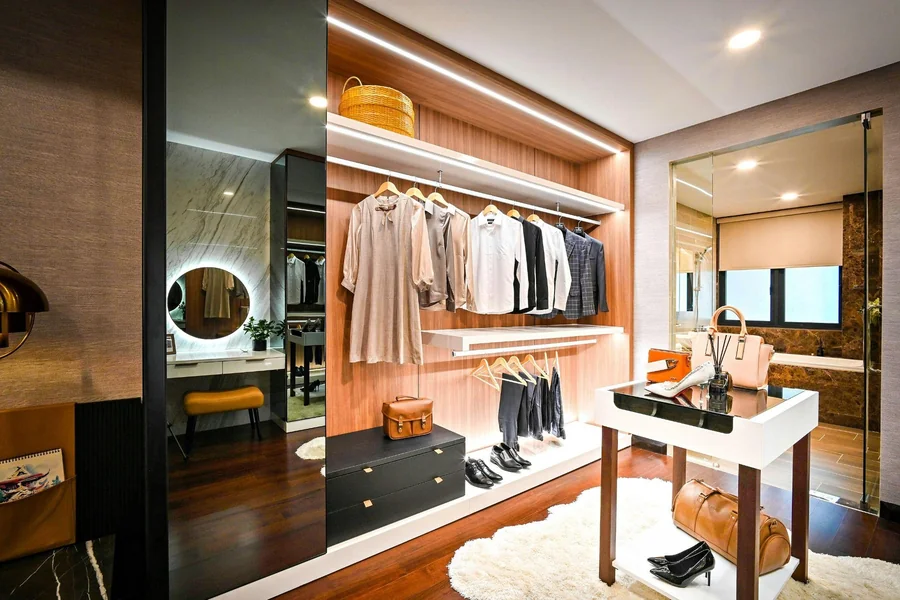
Creating a wardrobe that works throughout the year can feel expensive, especially when fashion trends change faster than the seasons. New collections constantly introduce different colors, silhouettes, and accessories, encouraging shoppers to purchase items they may only wear a handful of times.
However, dressing well does not require a large clothing budget or an overflowing closet. A practical wardrobe is built around pieces that work together, adapt to changing temperatures, and reflect personal style without depending on temporary trends.
The secret lies in making thoughtful purchasing decisions, understanding which garments offer the greatest flexibility, and finding creative ways to refresh familiar outfits. With a balanced selection of everyday essentials and seasonal accessories, it becomes possible to look stylish throughout the year while keeping unnecessary spending under control.
Seasonal Accessories Can Refresh Familiar Outfits
Accessories are among the most affordable ways to update a wardrobe without replacing essential clothing. Hats, scarves, belts, and bags can introduce new colors and textures while making familiar outfits feel different.
During colder months, knitted accessories are particularly useful because they combine practical warmth with personal style. A simple winter coat can take on a completely different appearance when paired with a colorful beanie or patterned scarf.
For shoppers who appreciate distinctive designs, customized patch beanies provide an opportunity to incorporate personalized details into winter outfits. Custom patches can reflect individual preferences while adding character to otherwise understated clothing.
The advantage of accessories is their flexibility. A small collection can complement numerous combinations, reducing the need to purchase new jackets or sweaters whenever seasonal trends change.
Choosing colors that coordinate with existing clothing makes these additions especially practical.
Build Your Wardrobe Around Dependable Basics
A versatile wardrobe begins with garments that can be worn regularly and combined in different ways. Well-fitting jeans, simple shirts, comfortable trousers, and neutral sweaters provide a dependable foundation.
These essentials do not need to be expensive. Fit, fabric quality, and construction are often more important than the label attached to a garment.
Neutral colors such as black, navy, gray, cream, and beige are particularly useful because they coordinate easily. However, building a practical wardrobe does not mean avoiding personality.
Favorite colors and patterns can still play an important role, especially when they complement existing pieces.
Before purchasing something new, consider whether it works with several items already in your closet. Clothing that supports multiple outfits generally offers better value than a garment reserved for one specific occasion.
Choose Layering Pieces That Work Across Seasons
Layering allows clothing to remain useful as temperatures change. Instead of maintaining completely separate wardrobes for every season, shoppers can select garments that adapt through different combinations.
A lightweight cardigan can be worn over a shirt during spring, paired with a dress on cooler summer evenings, or layered beneath a coat in winter.
Denim jackets and versatile blazers offer similar flexibility. Their usefulness extends beyond one particular season when combined with appropriate clothing.
Fabric weight matters when choosing these pieces. Lightweight materials are often easier to layer without creating unnecessary bulk.
It also helps to consider the climate where you live. Someone experiencing mild winters may need fewer heavy garments than a person living in an area with prolonged freezing temperatures.
Building around realistic weather conditions prevents unnecessary purchases and makes seasonal transitions easier.
Shop Smarter Instead of Following Every Trend
Photo by David Lezcano on Unsplash
Fashion retailers frequently introduce new collections, but buying something simply because it is popular does not guarantee long-term satisfaction.
A more effective shopping strategy involves identifying genuine wardrobe gaps before visiting stores or browsing online.
Keeping a short list of needed items helps maintain focus and reduces impulsive purchases. Waiting for suitable discounts can also make higher-quality clothing more affordable.
However, a reduced price does not automatically make something a good investment. An inexpensive garment that remains unworn still represents unnecessary spending.
Secondhand shops, clothing exchanges, and resale platforms provide additional opportunities to find useful pieces at lower prices.
The key is evaluating each purchase according to comfort, condition, fit, and compatibility with existing clothing rather than concentrating exclusively on current fashion trends.
Create Different Outfits With the Same Clothing
One of the easiest ways to extend a wardrobe is to experiment with combinations before purchasing additional pieces.
A white shirt can complement jeans for casual occasions, tailored trousers for work, or a skirt for an evening gathering. Changing footwear and accessories creates further possibilities.
Similarly, a simple dress can be worn independently during warmer weather or combined with a cardigan, tights, and boots when temperatures fall.
Taking photographs of successful outfit combinations can make future dressing easier. This approach also reveals which garments are genuinely versatile and which rarely leave the closet.
Experimenting with proportions can provide additional variety. A relaxed sweater may look different when partially tucked into trousers or paired with a more structured jacket.
Personal creativity often achieves more than another shopping trip.
Maintain Clothing Properly to Reduce Replacement Costs
Clothing lasts longer when it receives appropriate care. Following washing instructions, avoiding unnecessarily harsh cleaning methods, and storing garments correctly can help preserve their appearance.
Different materials require different approaches. Wool knitwear may benefit from gentle washing and flat drying, while some delicate fabrics need specialized care.
Small repairs can also prevent unnecessary replacements. Reattaching buttons, repairing minor seams, and addressing loose hems are often straightforward ways to extend a garment’s useful life.
Seasonal storage deserves attention. Clean, completely dry clothing should be stored in suitable conditions to reduce the risk of damage.
Footwear maintenance provides similar benefits. Cleaning shoes regularly and replacing worn components when practical can help preserve dependable everyday pairs.
These habits allow shoppers to get more value from clothing they already own.
Develop a Personal Style That Outlasts Seasonal Trends
The most effective wardrobe is one that reflects individual preferences rather than constantly changing fashion expectations.
Understanding which colors, silhouettes, and materials feel comfortable makes shopping decisions easier. It also reduces the temptation to purchase garments that look attractive on someone else but do not suit everyday needs.
Personal style can evolve without requiring a complete wardrobe replacement. Introducing a different accessory, experimenting with layering, or updating one essential piece can create noticeable variety.
Setting a realistic clothing budget also encourages more deliberate purchases. Prioritizing quality and usefulness helps ensure that spending supports genuine needs.
Ultimately, building a versatile wardrobe is not about owning as few clothes as possible. It is about making the most of what you have.
By combining dependable basics, adaptable layers, creative accessories, and thoughtful shopping habits, you can enjoy comfortable, stylish outfits throughout the year without spending more than necessary.