
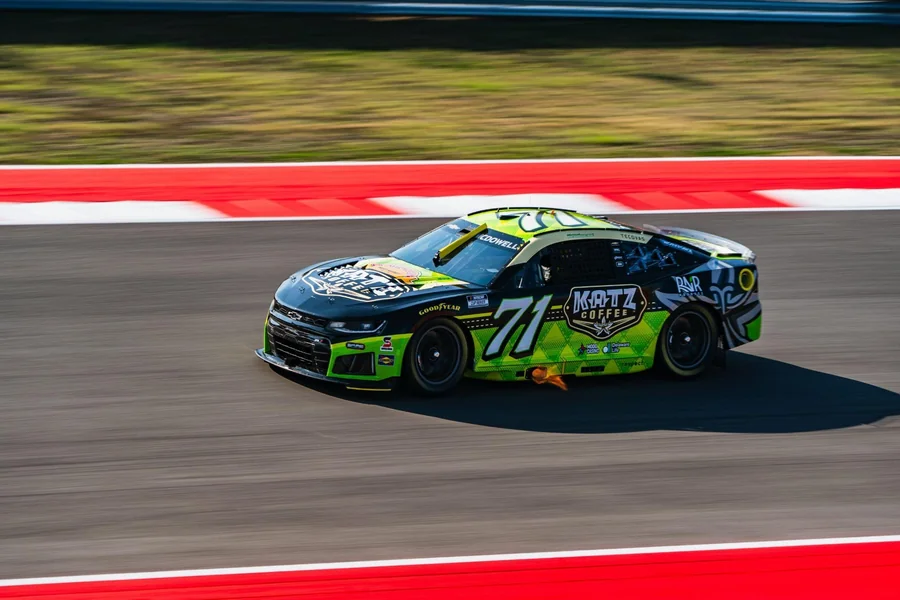
Professional motorsports demand far more than exceptional driving skills. Behind the excitement of high-speed racing lies a physically demanding profession that requires concentration, endurance, and the ability to perform under intense pressure. Whether competing in NASCAR, Formula 1, or endurance racing, drivers must prepare their bodies and minds for challenges that extend well beyond race day.
Long hours inside racing vehicles, demanding travel schedules, and unpredictable competition can place considerable strain on athletes. While fans celebrate victories and memorable finishes, recovery between events is equally important to maintaining consistent performance.
Modern motorsports teams increasingly recognize that wellness involves more than physical conditioning. Sleep, nutrition, mental resilience, and personal care all contribute to an athlete’s ability to manage a demanding career. Understanding these priorities reveals how drivers approach recovery and maintain balance throughout competitive seasons.
Personal Care and Physical Recovery After Race Weekends
Racing drivers spend extended periods wearing protective helmets, fire-resistant clothing, and specialized equipment. Combined with heat, perspiration, and physical exertion, these conditions can make personal comfort an important consideration after competition.
Maintaining regular hygiene and grooming routines helps drivers transition from the intense racing environment into their everyday lives. Skin cleansing, hydration, and appropriate hair care can become useful parts of post-race recovery.
Scientific developments in cosmetic research have also encouraged interest in specialized ingredients. Discussions surrounding ahk-cu dosage introduce a copper-binding peptide investigated in experimental hair-related research. Although its clinical benefits and appropriate dosing have not been established, the subject illustrates the growing attention given to emerging personal care technologies.
For drivers, dependable grooming routines are most useful when they remain straightforward and compatible with frequent travel.
Personal care may not directly determine racing performance, but maintaining everyday comfort contributes to a more manageable professional lifestyle.
The Physical Strain of Driving at Competitive Speeds
Professional racing places unusual demands on the human body. Drivers must maintain precise control while experiencing vibration, heat, repeated braking forces, and sustained concentration.
Neck muscles are particularly important in racing disciplines where significant cornering forces occur. Core strength, muscular endurance, and cardiovascular conditioning also contribute to maintaining control during demanding events.
Even when drivers remain seated, their physical effort should not be underestimated. Cockpit temperatures and protective clothing can create substantial heat stress, particularly during longer races.
Physical preparation therefore extends beyond conventional gym workouts. Training programs may include strength exercises, cardiovascular conditioning, mobility work, and activities designed to improve coordination.
Recovery is essential because repeated physical stress can contribute to fatigue and reduced performance. Appropriate rest, hydration, and individualized training schedules help drivers prepare for subsequent competitions.
The goal is to develop endurance without allowing accumulated fatigue to undermine concentration or physical readiness.
Hydration and Nutrition Support Racing Endurance
Photo by Wolfgang Vrede on Unsplash
Fluid balance becomes especially important when drivers compete in hot conditions. Protective equipment and limited cockpit ventilation can contribute to considerable perspiration, increasing the need for appropriate hydration strategies.
Teams may monitor fluid intake before and after events while developing plans suited to individual drivers and expected conditions.
Nutrition also supports preparation and recovery. Meals containing suitable carbohydrates, protein, fats, and essential nutrients help athletes meet their energy requirements throughout training and competition.
After demanding sessions, replenishing fluids and eating appropriately can support recovery before the next training activity.
Travel complicates these routines. Drivers frequently move between locations with different climates, food options, and schedules, making advance planning valuable.
Rather than relying on restrictive eating trends, athletes benefit from consistent nutritional habits developed with qualified professionals.
These practices help ensure that physical preparation continues throughout the racing calendar instead of receiving attention only on competition days.
Sleep and Rest Are Essential Between Races
Motorsports schedules can involve early arrivals, evening commitments, international flights, and rapidly changing time zones. Maintaining sufficient sleep becomes challenging when professional responsibilities leave limited time for recovery.
Sleep plays an important role in attention, reaction time, learning, and physical restoration. For drivers who must make decisions within fractions of a second, fatigue can be particularly concerning.
Consistent sleeping habits can help athletes manage these demands. Comfortable accommodation, appropriate room temperatures, and reduced disruptions before bedtime contribute to better rest opportunities.
International competition presents additional challenges because jet lag can interfere with normal sleep patterns. Teams may adjust travel plans and preparation schedules to help drivers adapt.
Rest days are equally valuable during busy periods. Allowing time away from strenuous training provides opportunities for physical recovery and psychological relaxation.
Effective preparation recognizes that sufficient rest is part of professional performance rather than a distraction from it.
Mental Resilience Matters as Much as Physical Fitness
Professional drivers must remain composed during unpredictable situations. Mechanical failures, competitive pressure, close racing, and disappointing results can create considerable emotional demands.
Mental preparation helps athletes respond constructively to these challenges. Some drivers use visualization, structured routines, and performance psychology techniques to strengthen concentration and confidence.
The ability to recover emotionally after a difficult race is particularly important. Dwelling excessively on mistakes can affect preparation for future events, while constructive reflection encourages learning.
Relationships outside motorsports also provide perspective. Time spent with family, friends, and trusted colleagues can help drivers maintain identities beyond their professional results.
Mental wellness does not mean avoiding disappointment or pressure entirely. It involves developing strategies for managing difficult experiences without allowing them to dominate everyday life.
This balanced perspective can support both competitive consistency and personal well-being.
Building Sustainable Wellness Habits Across a Racing Career
A successful motorsports career requires athletes to think beyond individual events. Physical conditioning, recovery habits, and personal responsibilities must remain manageable across months or years of competition.
Wellness programs work best when adapted to the driver’s circumstances, including racing discipline, travel commitments, age, and medical needs.
Teams can support this process through access to fitness coaches, physiotherapists, nutrition specialists, and other qualified professionals.
However, sustainable recovery also depends on personal decisions. Maintaining consistent routines, recognizing fatigue, and protecting time for family and relaxation contribute to long-term balance.
Drivers approaching later career stages may place greater emphasis on managing accumulated physical stress and maintaining interests beyond racing.
Ultimately, professional motorsports involve much more than what happens between the starting grid and the checkered flag. The preparation, recovery, and everyday habits surrounding competition are essential parts of an athlete’s professional life.
By treating wellness as an ongoing commitment, drivers can support their performance while building a healthier relationship with the demanding sport they love.