
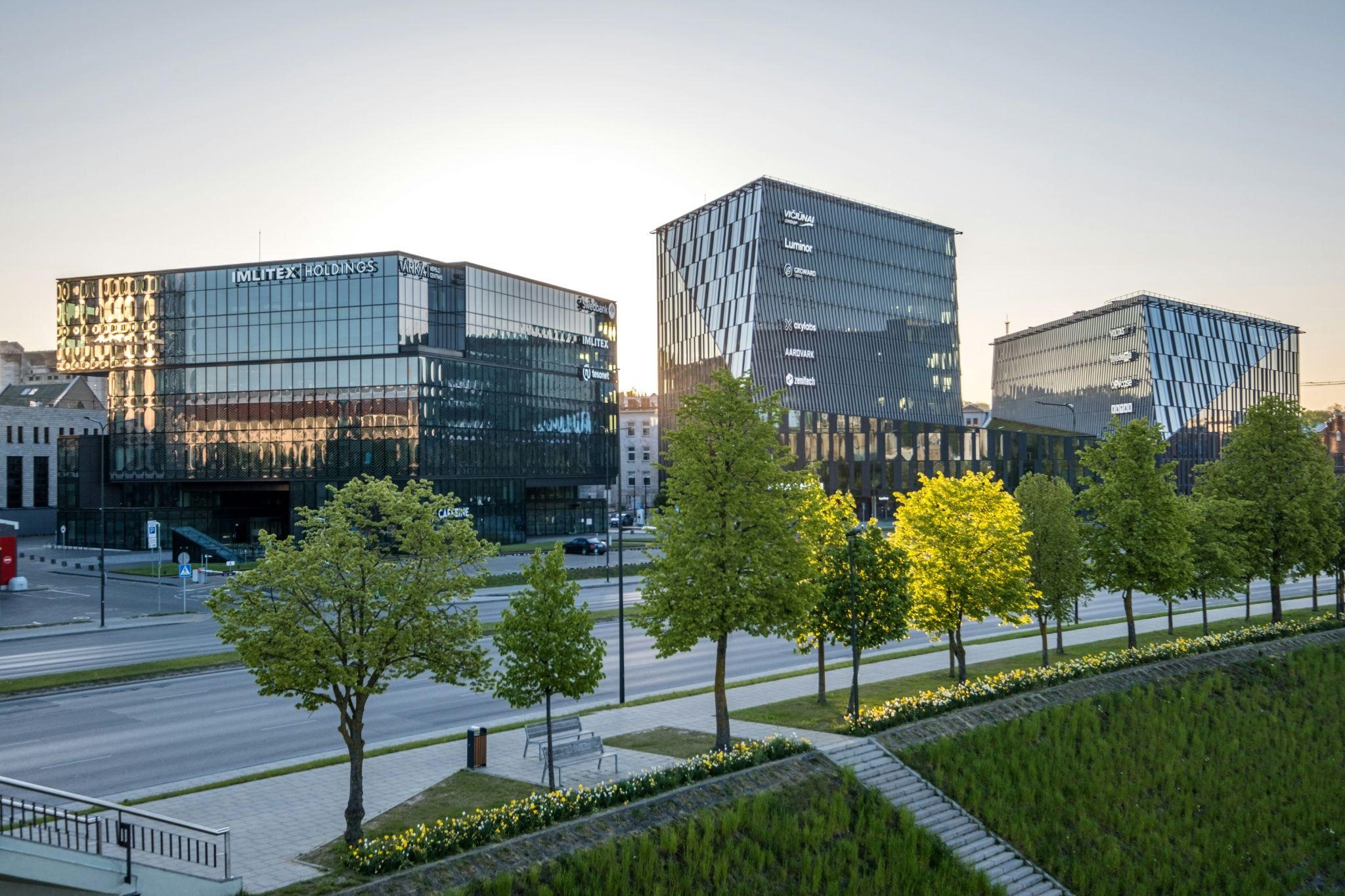
A commercial building is much more than a collection of offices, meeting rooms, and shared facilities. Behind its walls, numerous systems work together to maintain comfortable temperatures, distribute electricity, provide clean water, and ensure that daily activities continue without unnecessary interruptions.
Whether a property accommodates retail businesses, corporate offices, warehouses, or healthcare facilities, its operational efficiency depends on reliable infrastructure. Even a minor problem with ventilation, plumbing, or electrical equipment can affect productivity, increase operating expenses, and create inconvenience for occupants.
Building owners and facility managers must therefore look beyond the visible appearance of a property. Regular maintenance, thoughtful system design, and appropriate technological upgrades all contribute to long-term performance.
Understanding the essential systems within commercial buildings helps businesses make informed investment decisions, reduce operational risks, and create environments that support both employees and visitors.
Water Supply and Wastewater Management Systems
Reliable water infrastructure is fundamental to commercial building operations. Offices, restaurants, hotels, and industrial properties depend on dependable plumbing for drinking water, sanitation, cleaning, and various operational processes.
Water supply systems must maintain appropriate pressure and distribution throughout the property. Drainage infrastructure is equally important, ensuring wastewater moves safely away from occupied spaces.
Some commercial and industrial facilities generate wastewater that requires specialized treatment before discharge or reuse. Companies exploring advanced water management technologies can find treatment solutions through https://www.bioprocessh2o.com/, including systems designed for different commercial and industrial applications.
Effective wastewater management helps facilities address environmental requirements while supporting dependable operations.
Routine inspections, leak detection, and equipment maintenance can also reduce unnecessary water consumption. Addressing small plumbing problems early helps prevent extensive repairs and disruptions that may affect multiple tenants or departments.
Heating, Ventilation, and Air Conditioning Systems
Heating, ventilation, and air conditioning systems influence nearly every aspect of indoor comfort. Employees and visitors expect commercial spaces to maintain suitable temperatures regardless of outdoor weather conditions.
Ventilation is particularly important because occupied buildings require an appropriate supply of fresh air and effective management of indoor pollutants.
Poorly maintained HVAC equipment may lead to inconsistent temperatures, uncomfortable working conditions, and unnecessary energy consumption.
Regular filter replacement, equipment servicing, and inspection of ventilation components help maintain reliable performance. Building managers can also evaluate programmable controls and zoning systems to match heating and cooling with occupancy patterns.
Larger properties may benefit from centralized monitoring that identifies unusual energy use or equipment behavior.
The objective is to maintain comfortable indoor conditions while avoiding excessive operating expenses. A dependable HVAC system supports occupant satisfaction and reduces the likelihood of disruptive mechanical failures.
Electrical Distribution and Backup Power
Modern commercial buildings rely heavily on electricity. Lighting, computers, communication networks, security equipment, elevators, and mechanical systems all depend on a stable electrical supply.
Electrical distribution infrastructure must accommodate the building’s power requirements while providing appropriate protection against overloads and equipment faults.
Regular inspections help identify deteriorating components, outdated wiring, and potential safety concerns. Changes in building occupancy or equipment requirements may also justify system upgrades.
For facilities where interruptions could cause significant consequences, backup power becomes especially important. Generators and uninterruptible power supplies can support selected critical systems during outages.
However, backup arrangements should be designed according to actual operational priorities rather than assuming every electrical device requires continuous power.
A well-planned electrical system helps businesses maintain productivity while supporting safe operation and future technological improvements.
Fire Protection and Life Safety Infrastructure
Fire protection is one of the most important responsibilities associated with commercial property management. Buildings must provide appropriate systems for detecting emergencies, alerting occupants, and supporting safe evacuation.
Depending on the property and applicable regulations, these systems may include smoke detectors, fire alarms, sprinkler installations, emergency lighting, and clearly identified exits.
Equipment requires regular testing and maintenance to remain dependable.
Building managers must also ensure that evacuation routes remain accessible and that occupants understand relevant emergency procedures.
Safety planning should reflect the building’s actual use. A warehouse storing combustible materials may face different risks from a conventional office building.
Employee training and coordinated emergency planning complement mechanical protection systems.
Effective fire safety depends on maintaining the relationship between equipment, building design, and human behavior rather than treating compliance as a one-time administrative task.
Building Automation and Energy Management
Building automation systems allow facility managers to monitor and control selected mechanical and electrical equipment through centralized platforms.
These systems can coordinate HVAC settings, lighting schedules, energy monitoring, and other building functions according to operational needs.
For example, reducing heating or cooling in unoccupied areas can help limit unnecessary energy consumption. Automated lighting controls may provide similar benefits in meeting rooms and shared spaces.
However, automation works best when the underlying equipment is properly maintained and the control system is configured correctly.
Building managers should establish clear performance objectives before investing in additional technology. Complex features provide limited value when they do not improve efficiency or simplify maintenance.
Energy monitoring is particularly useful because it can reveal unusual consumption patterns that deserve investigation.
Thoughtful automation can make commercial buildings easier to operate while supporting long-term cost management.
Security and Access Control Systems
Commercial properties must balance convenient access with appropriate security. Employees, contractors, visitors, and delivery personnel often require different levels of access throughout the building.
Modern access control systems can help manage entry to offices, storage rooms, technical facilities, and other restricted areas.
Electronic credentials, surveillance equipment, and visitor management procedures may contribute to a coordinated security strategy.
The appropriate arrangement depends on the property’s size, occupancy, and operational requirements. A small office may need relatively simple controls, while a large multi-tenant building could require more extensive coordination.
Security systems also need regular maintenance and clear administrative procedures. Lost credentials, outdated permissions, and malfunctioning equipment can undermine otherwise effective arrangements.
Well-designed security measures should protect occupants and property without creating unnecessary obstacles to legitimate daily activities.
Preventive Maintenance Keeps Every System Working Together
Even the most advanced commercial building cannot operate efficiently without consistent maintenance. Mechanical equipment, plumbing networks, electrical installations, and security systems all experience wear and changing operational demands.
Preventive maintenance allows facility managers to identify problems before they become disruptive failures. Scheduled inspections, equipment servicing, and accurate maintenance records contribute to more dependable performance.
Coordination is particularly important because building systems frequently depend on one another. A power interruption may affect ventilation, while drainage problems can damage electrical equipment or occupied areas.
Facility managers benefit from maintaining an organized schedule that prioritizes critical equipment and addresses recurring concerns.
Long-term planning should also account for replacement costs and future occupancy requirements.
Ultimately, an efficient commercial building depends on the reliable performance of multiple interconnected systems. Water infrastructure, HVAC equipment, electrical distribution, safety installations, and building controls all contribute to a functional working environment.
By maintaining these systems consistently and investing in appropriate improvements, property owners can reduce operational disruptions, manage costs, and preserve the long-term value of their buildings.