
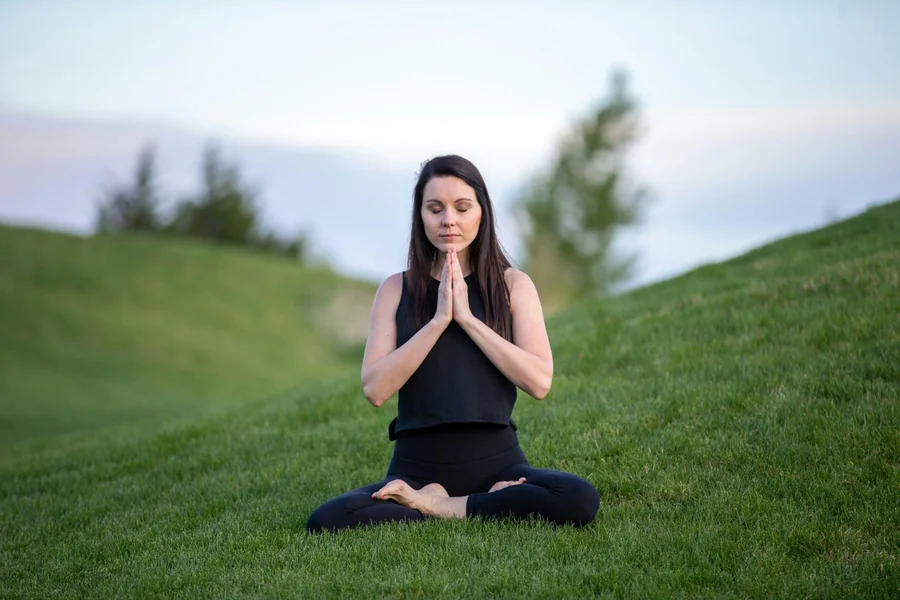
Modern life rarely offers a moment of complete silence. Between work responsibilities, family commitments, digital notifications, and an endless stream of online information, many people move through their days without taking meaningful breaks. Even activities intended for relaxation can become another source of stimulation, making it difficult to disconnect from everyday demands.
The desire for stillness is not necessarily about escaping responsibilities or abandoning technology. Instead, it involves creating opportunities to slow down, pay attention to the present, and enjoy experiences without constant interruptions. These moments can take different forms, from spending time outdoors to developing quiet routines at home.
Finding a sense of calm often requires small but intentional changes. By reconsidering daily habits, organizing personal spaces, and establishing healthier boundaries around distractions, individuals can create more opportunities for reflection and relaxation. Over time, these practices can become valuable parts of a balanced and fulfilling lifestyle.
Turn Everyday Spaces Into Personal Retreats
The environment surrounding us can influence how easily we disconnect from daily responsibilities. A living room filled with electronic devices, work materials, and household clutter may not provide the atmosphere someone wants after a demanding day. Creating a dedicated relaxation area can help establish a clearer boundary between productivity and personal time.
For some households, this might involve arranging a comfortable reading corner, improving a quiet garden area, or transforming an underused room into a peaceful retreat. Thoughtful lighting, natural materials, and comfortable furnishings can make these spaces feel inviting without requiring extensive renovations.
A more dedicated wellness environment offers another possibility. The infrared indoor sauna collection from Premium Saunas provides options for homeowners interested in incorporating sauna experiences into their personal relaxation routines. A designated sauna space can encourage intentional periods away from phones, television, and everyday distractions, creating an opportunity to enjoy a quieter part of the day.
The value of such a space comes from how consistently it is used. When relaxation has a recognizable place within the home, setting aside time for it can become easier, even during particularly busy weeks.
Reconsider Your Relationship With Digital Devices
Smartphones, laptops, and connected devices have made everyday life more convenient, but they also encourage constant engagement. Messages, social media updates, and breaking news can interrupt conversations, meals, and quiet moments throughout the day.
Developing healthier digital habits does not require abandoning useful technology. Small adjustments, such as disabling unnecessary notifications or keeping phones away from the dining table, can reduce interruptions without affecting essential communication.
Some people benefit from establishing specific periods when they avoid recreational screen use. This might involve spending the first part of the morning without checking social media or leaving the phone in another room during evening relaxation.
The objective is to make technology more intentional rather than allowing every notification to determine where attention goes.
When digital devices occupy a more deliberate place in daily routines, people often discover additional opportunities for uninterrupted conversations, personal interests, and quiet reflection.
Discover the Value of Doing One Thing at a Time
Multitasking has become a familiar feature of contemporary life. People answer messages while watching television, listen to podcasts while completing household chores, and switch between several assignments during the working day.
Although some activities can be combined efficiently, constant task switching may make it difficult to feel fully engaged with any single experience.
Practicing single-tasking offers a different approach. Instead of checking notifications while eating breakfast, someone might concentrate on enjoying the meal. Reading without background entertainment or completing one household activity before beginning another can create similar opportunities for focused attention.
These adjustments are particularly useful during activities intended to provide relaxation. A quiet hobby can become more enjoyable when it does not compete with several other sources of stimulation.
Developing this habit gradually can help people appreciate ordinary experiences that might otherwise pass unnoticed.
Spend More Time in Natural Surroundings
Photo by Sies Kranen on Unsplash
Natural environments offer a welcome contrast to the constant stimulation associated with busy urban routines. Parks, forests, gardens, and quiet walking paths provide opportunities to experience different sounds, colors, and surroundings.
Spending time outdoors does not necessarily require lengthy journeys or demanding physical activities. A short walk through a local park or an afternoon tending to garden plants can introduce a different rhythm into the day.
People who enjoy outdoor activities may find that leaving digital devices behind occasionally makes these experiences more engaging.
Observing seasonal changes, listening to birds, or simply sitting in a comfortable outdoor space encourages attention to immediate surroundings.
Gardening can be particularly rewarding because it combines practical activity with a gradual process that cannot always be rushed.
Making time for natural surroundings helps create a distinction between everyday obligations and activities pursued for personal enjoyment.
Establish Morning and Evening Rituals
The beginning and end of the day provide useful opportunities to develop calmer routines. However, these periods are often filled with hurried preparations, unfinished tasks, and habitual phone use.
A more intentional morning might begin with a quiet breakfast, a few minutes of reading, or preparing for the day’s responsibilities without immediately checking online updates.
Evening routines can serve a different purpose by creating a transition away from work and household responsibilities.
Preparing clothing for the next day, organizing essential items, and setting aside time for a familiar relaxing activity can make evenings feel less rushed.
These rituals do not need to involve numerous activities. Their effectiveness often depends on simplicity and consistency.
A routine that can be maintained during ordinary working weeks is generally more valuable than an elaborate schedule that becomes another source of pressure.
Make Room for Quiet Moments in Social Relationships
Stillness does not always require solitude. Meaningful connections can also develop through shared experiences that allow people to enjoy one another’s company without constant entertainment.
A relaxed conversation over coffee, an evening walk with a partner, or a quiet family meal can provide opportunities for connection.
Modern social activities sometimes revolve around busy venues, packed schedules, and continuous digital interaction. Choosing simpler experiences occasionally can create space for more attentive communication.
Listening without repeatedly checking a phone is one small way to demonstrate consideration during conversations.
Shared hobbies such as gardening, cooking, or visiting peaceful outdoor locations can also provide opportunities to spend time together at a comfortable pace.
These moments remind us that meaningful relationships depend on attention and presence as much as on exciting experiences.
Build a Lifestyle That Leaves Space for Reflection
Finding stillness becomes easier when it is treated as an ordinary part of life rather than an occasional escape from exhaustion. This requires examining how daily schedules are organized and recognizing which commitments genuinely deserve attention.
Some responsibilities cannot be changed, but others may be adjusted, simplified, or approached with greater flexibility. Leaving small gaps between activities can reduce the feeling that every hour must be filled.
Personal interests also deserve space within a balanced routine. Reading, creative work, quiet exercise, and time spent outdoors provide opportunities to enjoy experiences without focusing exclusively on productivity.
Reflection can help individuals recognize which activities bring satisfaction and which habits create unnecessary distractions.
Ultimately, the art of finding stillness involves making conscious choices about attention, time, and surroundings. It is less about eliminating activity than creating a healthier relationship with it.
By establishing peaceful spaces, developing thoughtful digital habits, and protecting moments for reflection, people can rediscover the value of slowing down. In a world that constantly competes for attention, the ability to enjoy an uninterrupted moment can become one of the most meaningful everyday luxuries.