
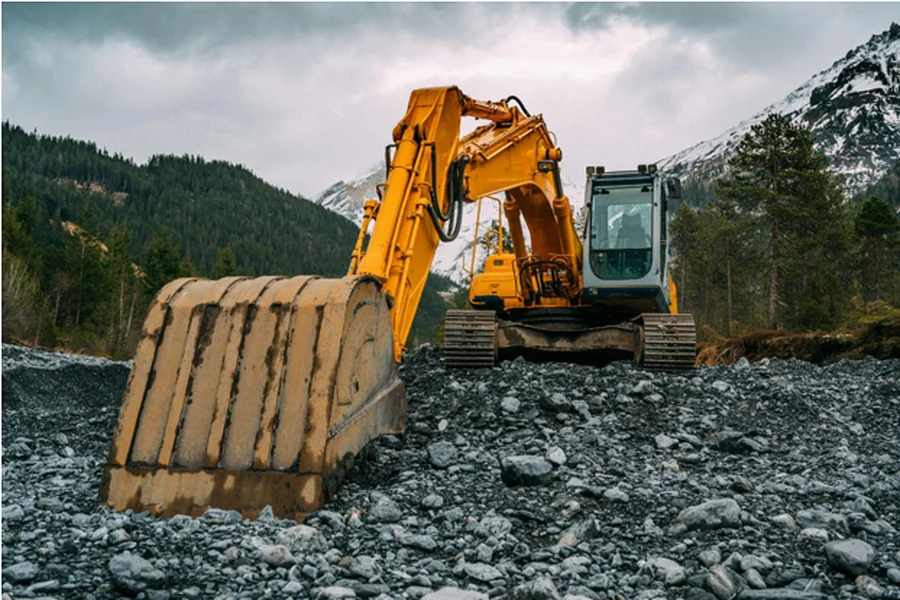
Heavy equipment is built to work in conditions that would quickly overwhelm ordinary vehicles and machinery. Mud, oil, grease, dust, and debris are simply part of the job on construction sites, farms, oilfields, mines, and other demanding environments.
The problem comes when that buildup is allowed to accumulate. Thick layers of grime make equipment harder to inspect, turn routine maintenance into a mess, and can leave operators spending far longer on cleaning than necessary.
A better approach starts before the machine is completely coated. With the right cleaning area, equipment, and routine, even heavily used machinery can be brought back to a manageable condition without making cleanup an end-of-day battle.
Match the Cleaning Equipment to the Conditions
A machine that has spent the day moving through wet soil needs a different cleaning approach from one covered in a combination of oil, grease, and industrial residue.
That is particularly important in environments where buildup can become heavy very quickly. Operations dealing with these demanding conditions can benefit from pressure washing equipment for oilfields designed around the tougher cleaning requirements associated with industrial machinery and work sites.
Pressure, water temperature, appropriate cleaning agents, and the type of surface being cleaned all influence the result. More force is not automatically better; the aim is to remove stubborn contamination efficiently without directing high-pressure water at vulnerable components.
Matching the setup to the actual work being done can shorten cleaning time while producing a much more consistent result.
Remove the Worst Buildup Before Washing
Do not immediately reach for the pressure washer when a machine returns covered in several inches of mud.
Removing the heaviest material first can make the rest of the job much easier. Large clumps of soil, packed vegetation, stones, and other loose debris can often be cleared before water is introduced.
Pay particular attention to tracks, wheels, undercarriages, steps, and other areas where material becomes trapped. Allowing thick deposits to remain can turn them into a much larger mess once water starts moving everything around.
This preliminary step also gives the operator an opportunity to see what is underneath.
A quick inspection may reveal damaged guards, loose components, leaking fluids, or other issues that deserve attention before cleaning continues.
Give Grease Time to Break Down
Grease can be one of the most frustrating forms of buildup because simply spraying it repeatedly may move the surface dirt without fully removing the underlying residue.
Where suitable for the equipment and surface, an appropriate degreasing product can do much of the difficult work before the main wash begins.
Apply it according to its directions and give it the recommended contact time rather than immediately rinsing it away. The goal is to loosen the contamination so that the washing stage does not have to do all the work by itself.
Avoid allowing cleaning products to dry onto the surface, particularly when working outdoors in warm conditions.
Working in manageable sections can help. Treat one area, allow the product to work, wash it thoroughly, and then move to the next rather than coating an entire large machine at once.
Work From the Top Down
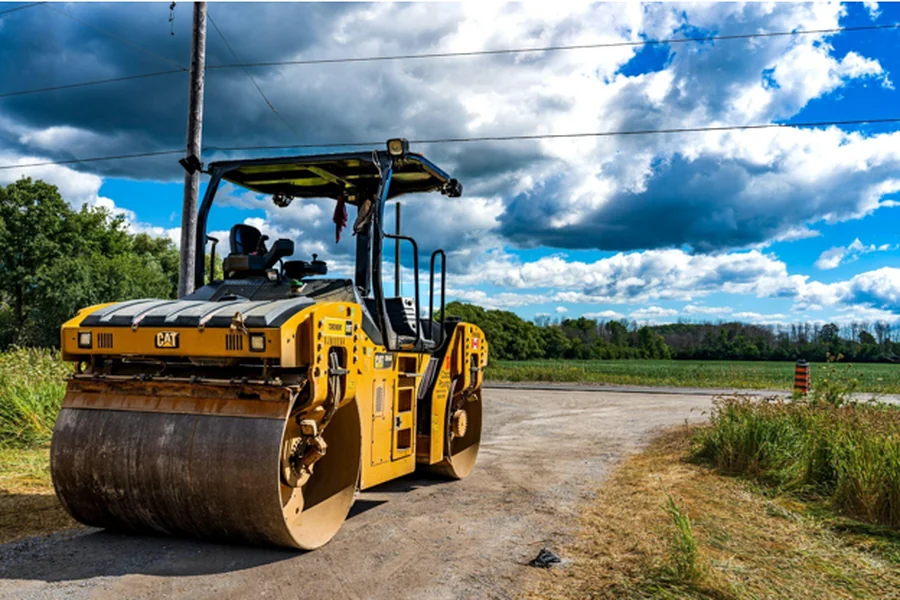
There is little point cleaning the lower half of a machine perfectly and then washing dirt from the upper surfaces straight back over it.
Start higher and gradually work downward.
Roof areas, upper panels, windows, guards, and other elevated surfaces can be handled before moving toward the body, steps, wheels, tracks, and undercarriage.
The exact sequence will depend on the equipment, but following a consistent pattern reduces repeated work.
It also helps operators avoid missing sections. Large machinery has plenty of recesses, corners, and partially hidden surfaces, and an improvised cleaning pattern makes it easy to overlook them.
Establishing the same general sequence each time can make the process faster as it becomes familiar.
Be Careful Around Sensitive Components
Heavy machinery may look almost indestructible, but not every component should be treated with the same cleaning pressure.
Electrical connections, control components, seals, bearings, sensors, exposed wiring, air intakes, and other sensitive areas may require additional care. Manufacturer guidance should take priority when determining how particular parts can be cleaned.
Distance and spray angle matter too.
Holding a high-pressure nozzle extremely close to a surface is rarely necessary for ordinary cleaning and can increase the possibility of damage. Begin more cautiously and adjust the approach according to the surface and contamination.
Operators responsible for washing equipment should know which areas require special treatment rather than learning through trial and error.
Make the Wash Area Work for the Crew
The location where equipment is cleaned can either speed up the job or create additional problems.
There should be enough room to move safely around the machine and reach the areas that need attention. Hoses should be long enough for practical use without constantly being dragged around obstacles, while frequently used tools and cleaning products should be stored nearby.
Drainage and wastewater management also need to suit the site and the materials being removed. Mud, grease, oil, and cleaning products should not simply be allowed to travel wherever the water takes them.
Good lighting is another easily overlooked detail, especially when equipment returns after dark or cleanup happens at the end of a long shift.
A properly organized wash area reduces unnecessary movement and helps crews follow the same process every time.
Clean Often Enough That It Never Becomes a Huge Job
Waiting until machinery is almost unrecognizable beneath the dirt usually makes cleaning harder.
Not every machine needs a complete wash after every use, but regular attention prevents buildup from becoming increasingly stubborn. High-contact areas, steps, windows, lights, mirrors, cameras, and components that need inspection may require more frequent cleaning than cosmetic exterior surfaces.
A quick clean at the right time can also make maintenance easier.
Leaks, cracks, worn hoses, loose fasteners, and damaged parts are much easier to notice on machinery that is not hidden beneath layers of grime.
That makes cleaning more than a matter of appearance. It becomes part of keeping equipment accessible, inspectable, and ready for the next job.
The most effective routine is usually the one crews can follow consistently. Remove the heaviest debris first, use the right cleaning setup for the contamination involved, protect sensitive areas, and deal with buildup before it becomes an enormous task. When those habits become part of normal equipment care, even grease- and mud-covered machinery becomes considerably easier to manage.